
Published 2026-07-04T12:59:25+08:00
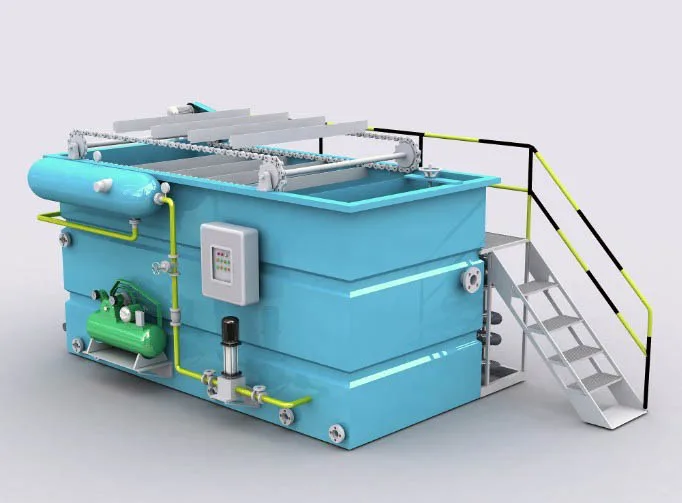
DAF and sedimentation are both solids separation methods, but they are not the same process.
DAF is often used when fine solids, oil, or flotation-friendly contaminants need to be removed, while sedimentation is used when settling behavior supports gravity separation.
Clear Answer First
DAF and sedimentation solve different separation problems. DAF is stronger for fine solids, oil, and buoyant floc, while sedimentation is better when the solids settle cleanly and the project can allow the footprint.
Why It Matters
Wastewater routes need to solve the pollutant problem and the sludge or residue problem at the same time.
If the route is chosen without a target standard or discharge/reuse basis, the system often becomes overbuilt in one place and weak in another.
Typical Design Inputs
- pollutant profile, pH, and salt load
- flow rate and peak variation
- reuse target or discharge standard
- oil, grease, solids, metals, or organics
- sludge handling and chemical consumption
Common Mistakes
- Assuming one treatment step can solve every pollutant
- Ignoring sludge, residue, or chemical management
- Selecting the route without a real target standard
FAQ
Q: Which option is better?
The better option depends on the water quality, project target, and operating constraints.
Q: Can both be used in one plant?
Yes. In some projects they serve different functions at different points in the process.
Q: What information is needed before quotation?
Flow rate, water quality report, target standard, and project location are recommended.
CTA
Share your wastewater data. YAOTONG engineers will help compare DAF and sedimentation.