 YAOTONG
Filtration
How to Choose a Self Cleaning Filter for Industrial Water Treatment
A self cleaning filter should be selected from water quality, flow rate, suspended solids, filtration accuracy, pressure and maintenance requirements.
Read articleKnowledge Center
Engineering guides for filtration, clarification, cooling towers, RO pretreatment, dosing, DAF, sludge and sewage treatment.
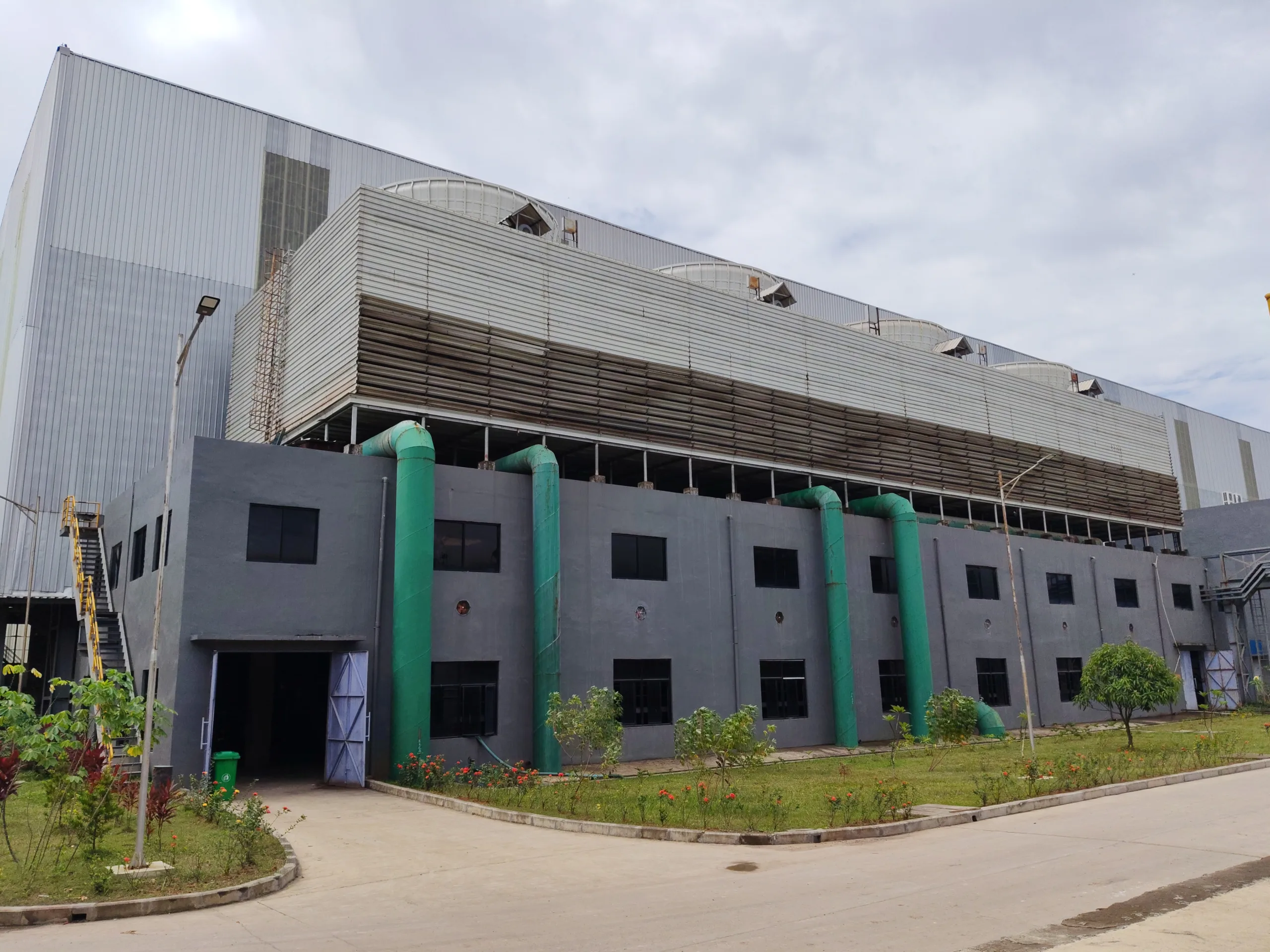
A self cleaning filter should be selected from water quality, flow rate, suspended solids, filtration accuracy, pressure and maintenance requirements.
Read article
FRP cooling towers and closed circuit cooling towers both reject heat, but they serve different water quality and process protection needs.
Read article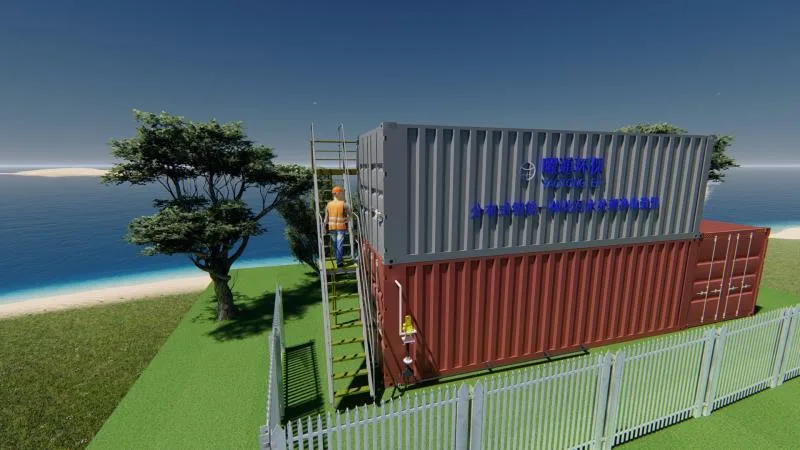
High salinity oily wastewater usually needs oil removal, coagulation, flotation, filtration and membrane or concentration steps for reuse.
Read article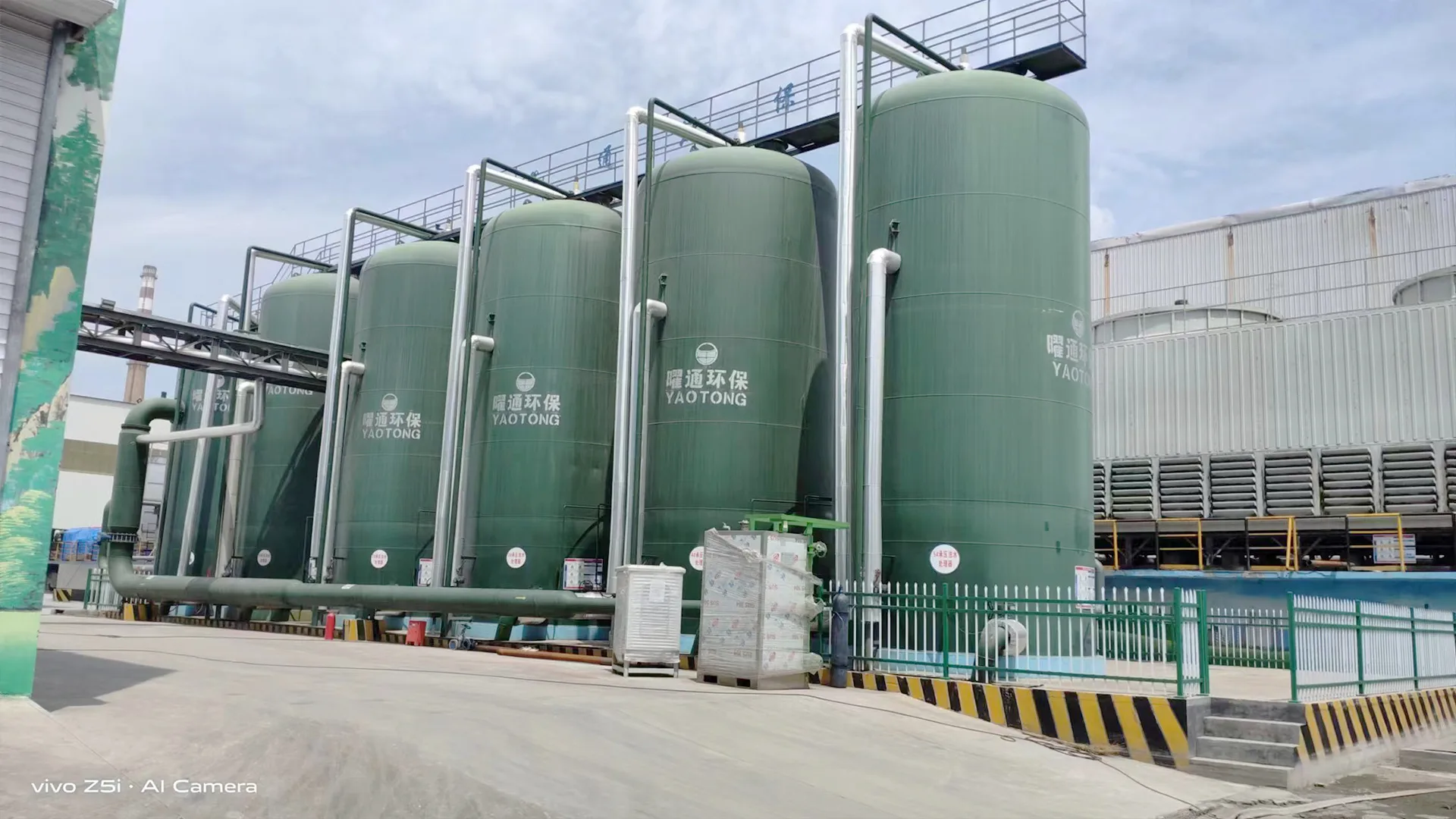
River water treatment must handle seasonal turbidity changes, suspended solids, algae and downstream process requirements.
Read article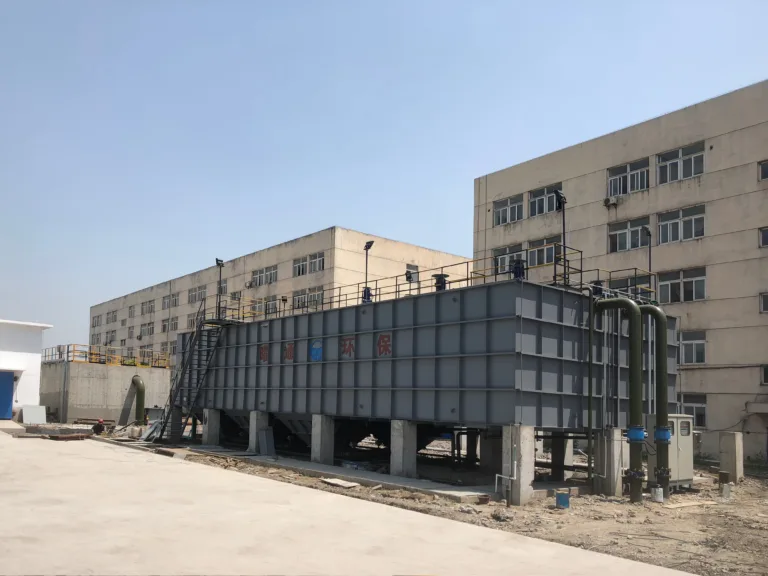
Industrial river water clarification needs process testing, chemical selection and hydraulic design to keep effluent stable.
Read article
The two terms are often used together, but the cleaning mechanism, screen structure and application conditions can differ.
Read article
A lamella clarifier uses inclined plates or tubes to increase settling area and separate floc from water in a compact tank.
Read article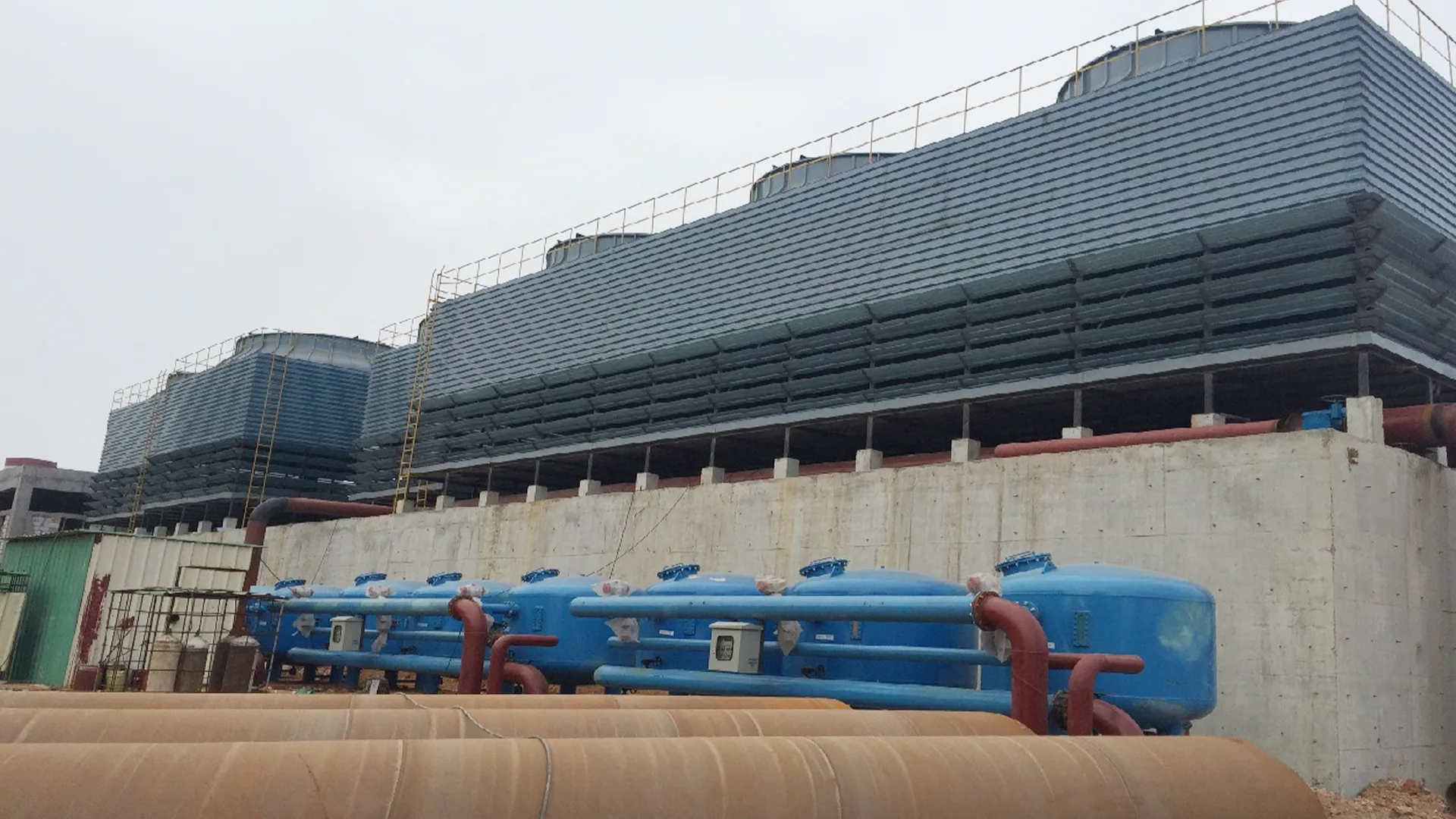
Cross flow and counter flow cooling towers differ in air direction, footprint, maintenance access and thermal performance.
Read article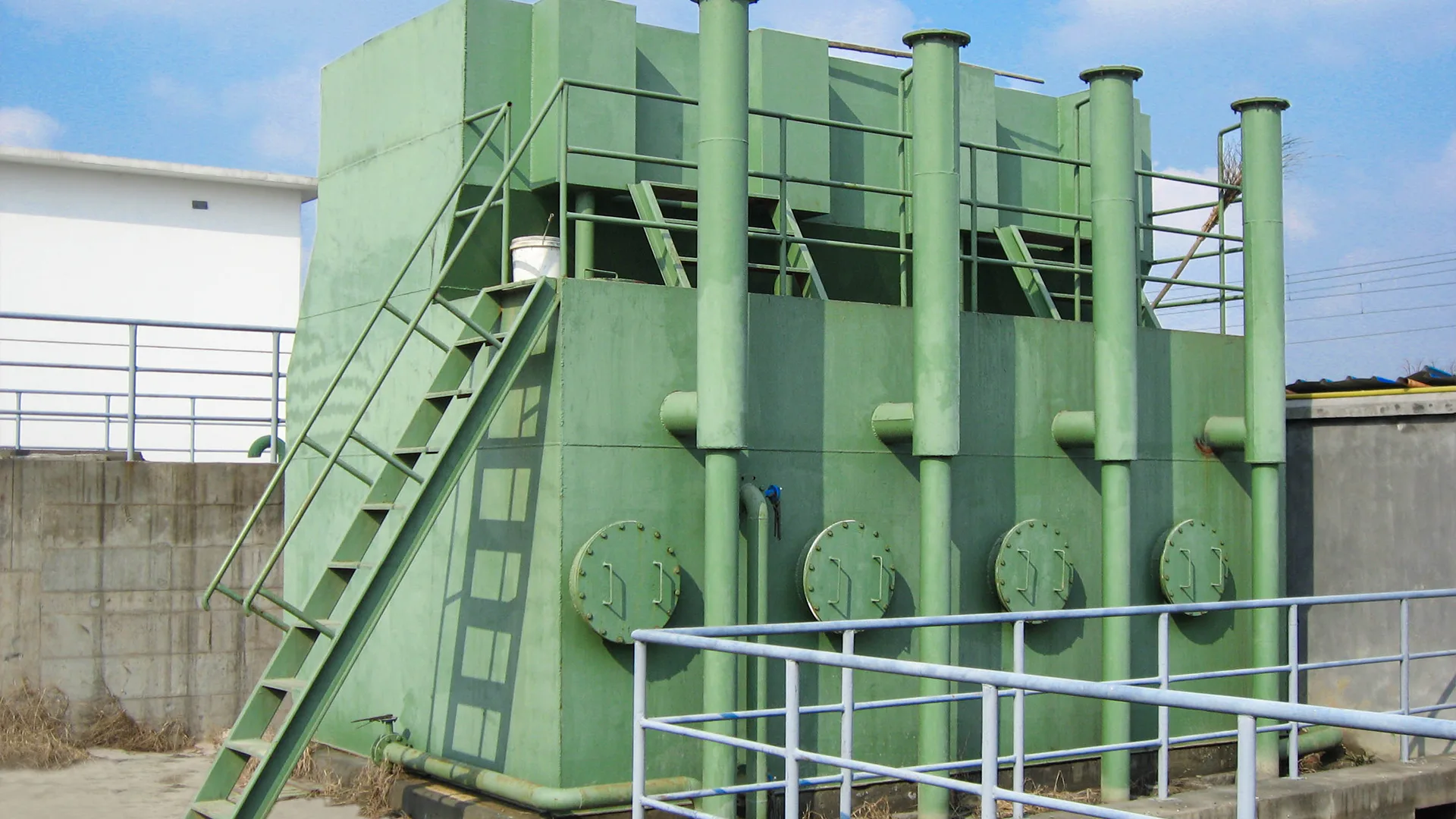
RO membrane performance depends heavily on pretreatment that controls turbidity, suspended solids, scaling and biological fouling.
Read article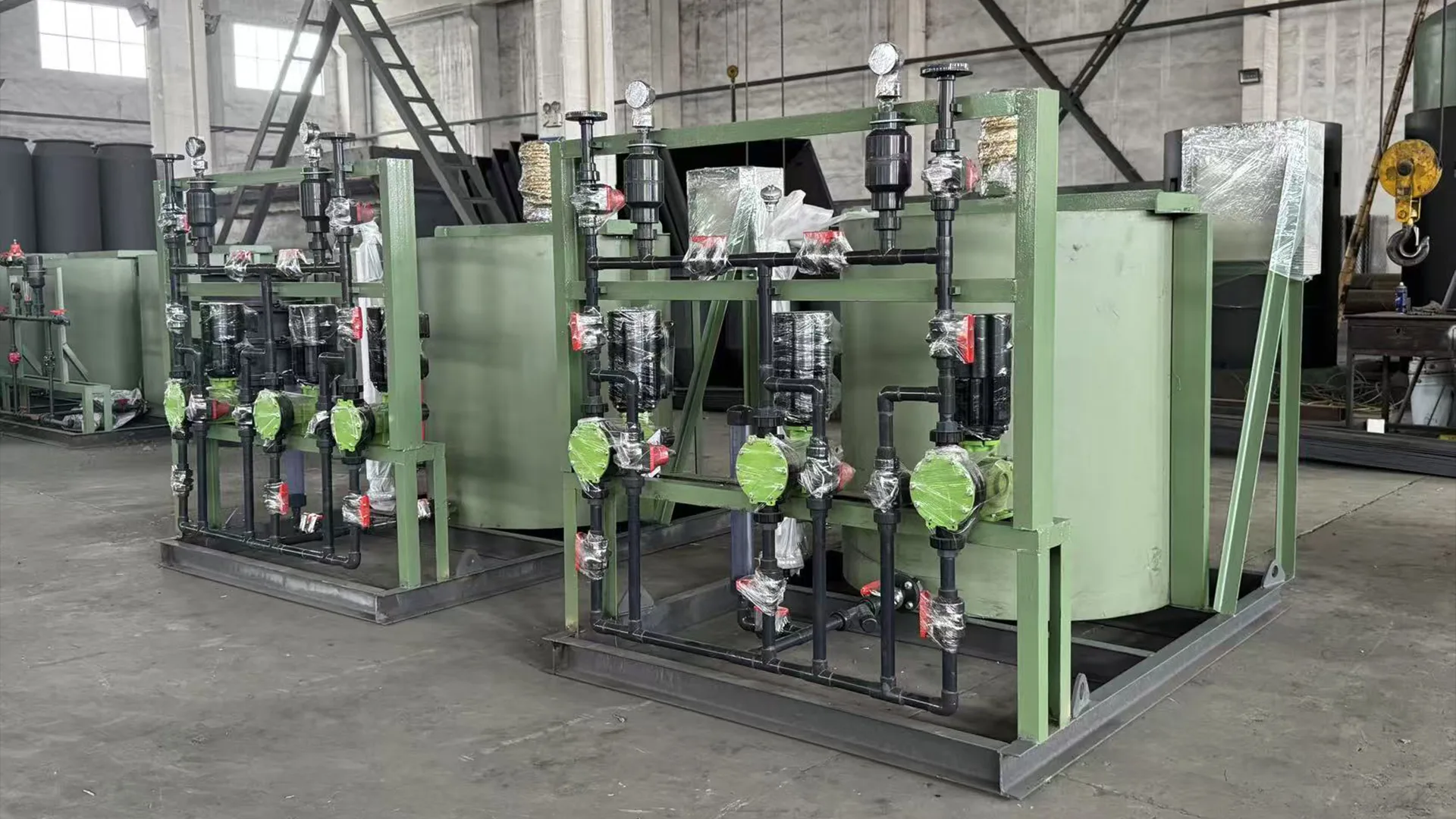
A chemical dosing system prepares and injects chemicals at controlled flow rates for water treatment processes.
Read article
How a turnkey water treatment equipment manufacturer can support EPC projects with process design, fabrication, delivery and commissioning support.
Read article
Design a chemical dosing device around the chemical, process goal, dosing rate, mixing conditions and water treatment operating requirements.
Read article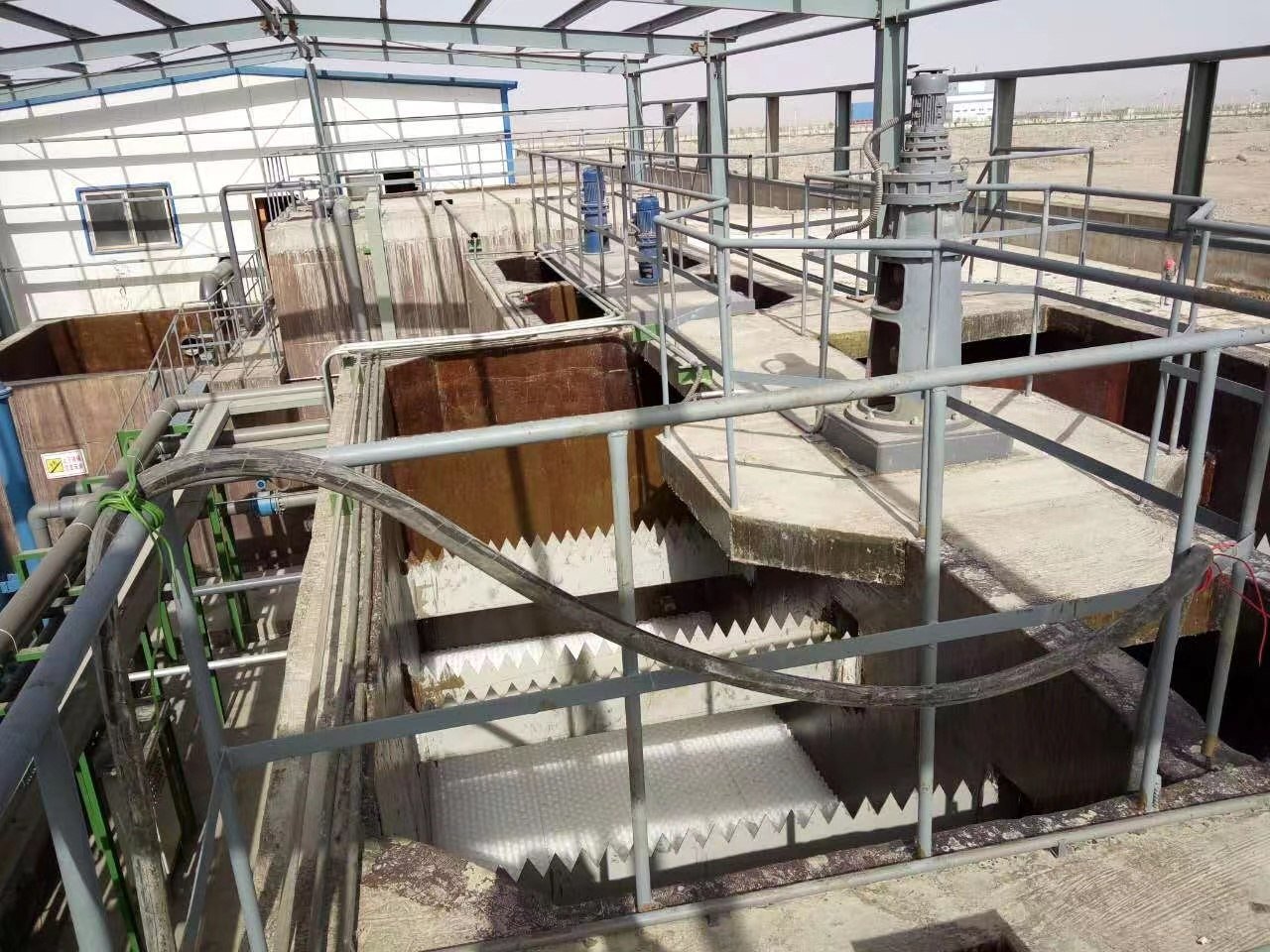
Learn the main design inputs for an efficient sludge thickener, including sludge concentration, flow, solids loading and downstream handling.
Read article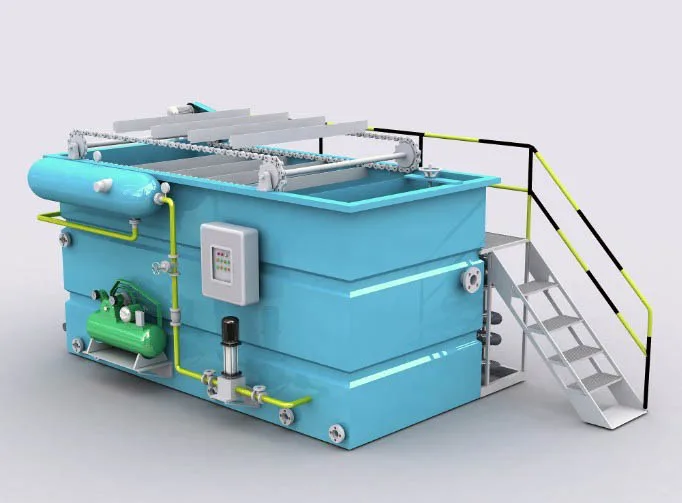
Plan industrial wastewater management and water reuse systems around oil, suspended solids, COD, salinity and the target reuse standard.
Read article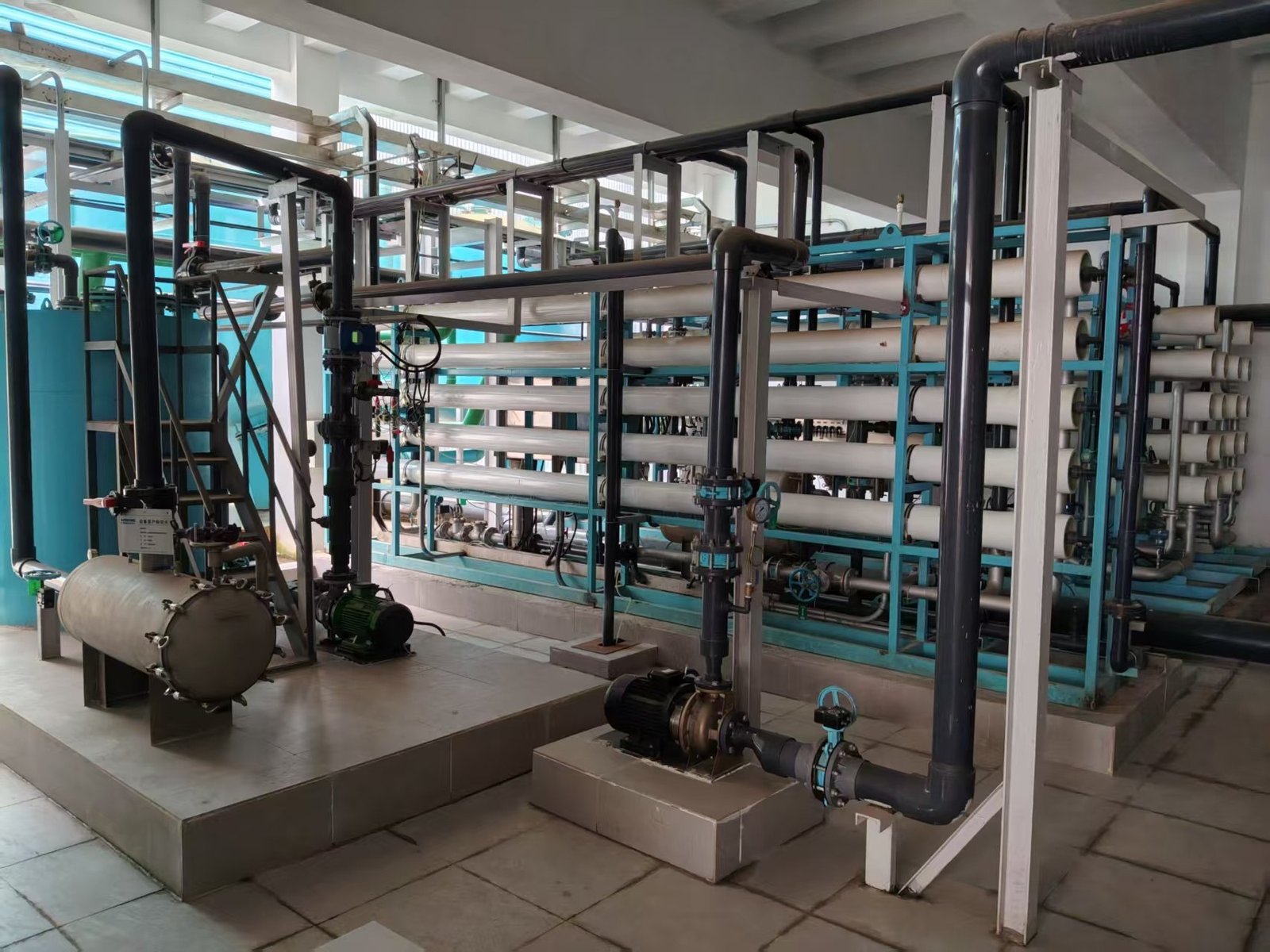
Understand when ultrafiltration, reverse osmosis and EDI equipment are used in industrial water treatment and demineralization systems.
Read article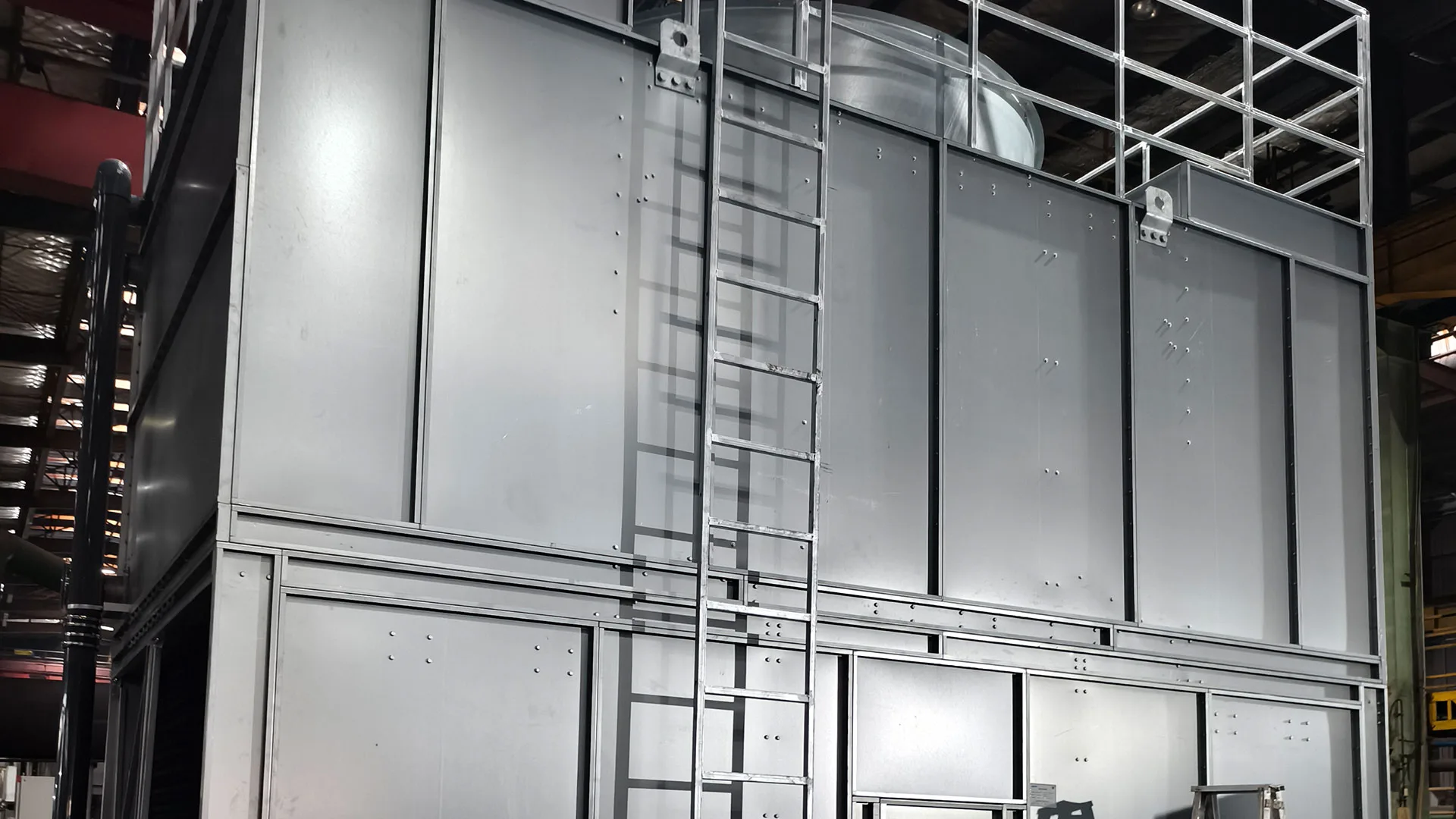
Compare closed circuit cooling towers, FRP cooling towers, cross flow and counter flow cooling tower systems for industrial circulating water.
Read article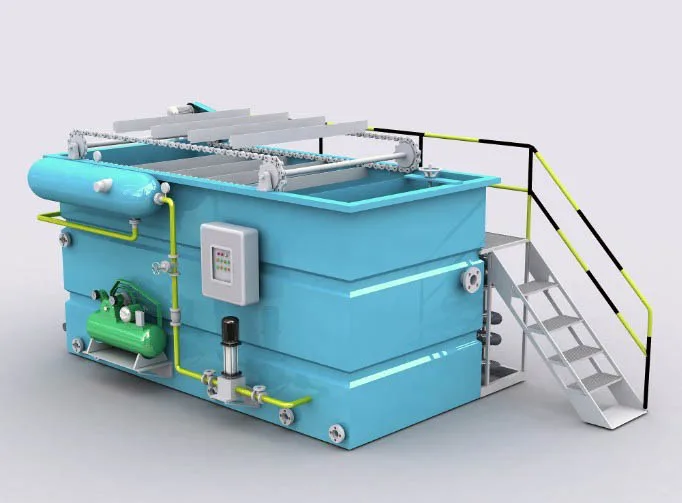
Selection guidance for pressure dissolved air flotation equipment and DAF water treatment systems handling oil, grease, fine solids and industrial wastewater.
Read article
Compare high efficiency clarifiers, high density clarification tanks and lamella clarifiers for surface water and industrial wastewater treatment.
Read article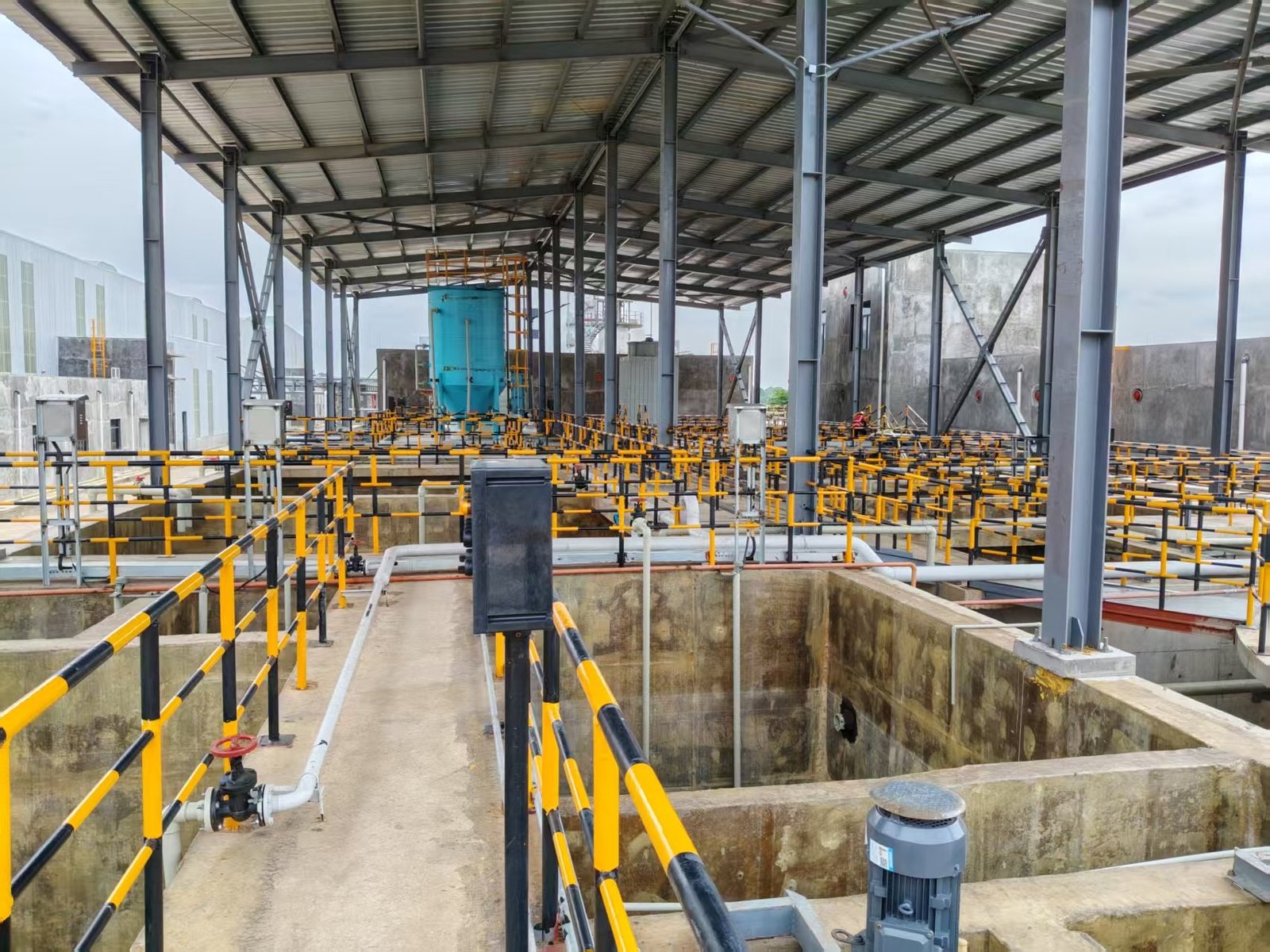
High-salinity oily wastewater is usually more difficult than standard wastewater because it combines oil, salts, and reuse requirements.
Read article
Side stream filtration is one of the most practical ways to manage suspended solids in cooling water systems.
Read article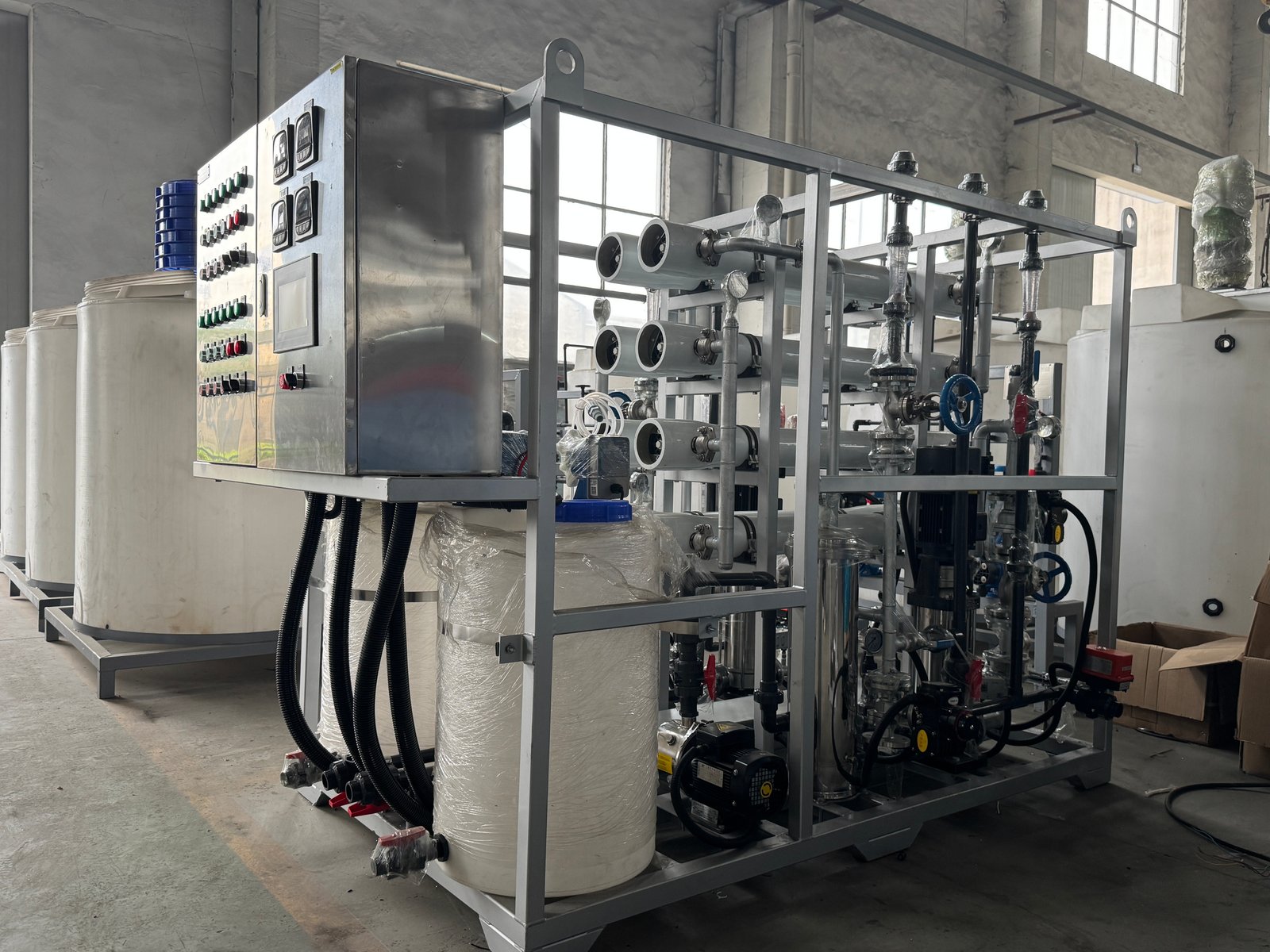
Design surface water purification equipment for seasonal turbidity, suspended solids, algae and variable raw water quality.
Read article
How to choose a self-cleaning water filter for industrial water treatment, automatic backwash, suspended solids removal and continuous operation.
Read article
Activated carbon filtration is often used as a polishing or adsorption step, but the design should still be based on real project conditions.
Read article
Choosing a water treatment equipment manufacturer is not just a price decision.
Read article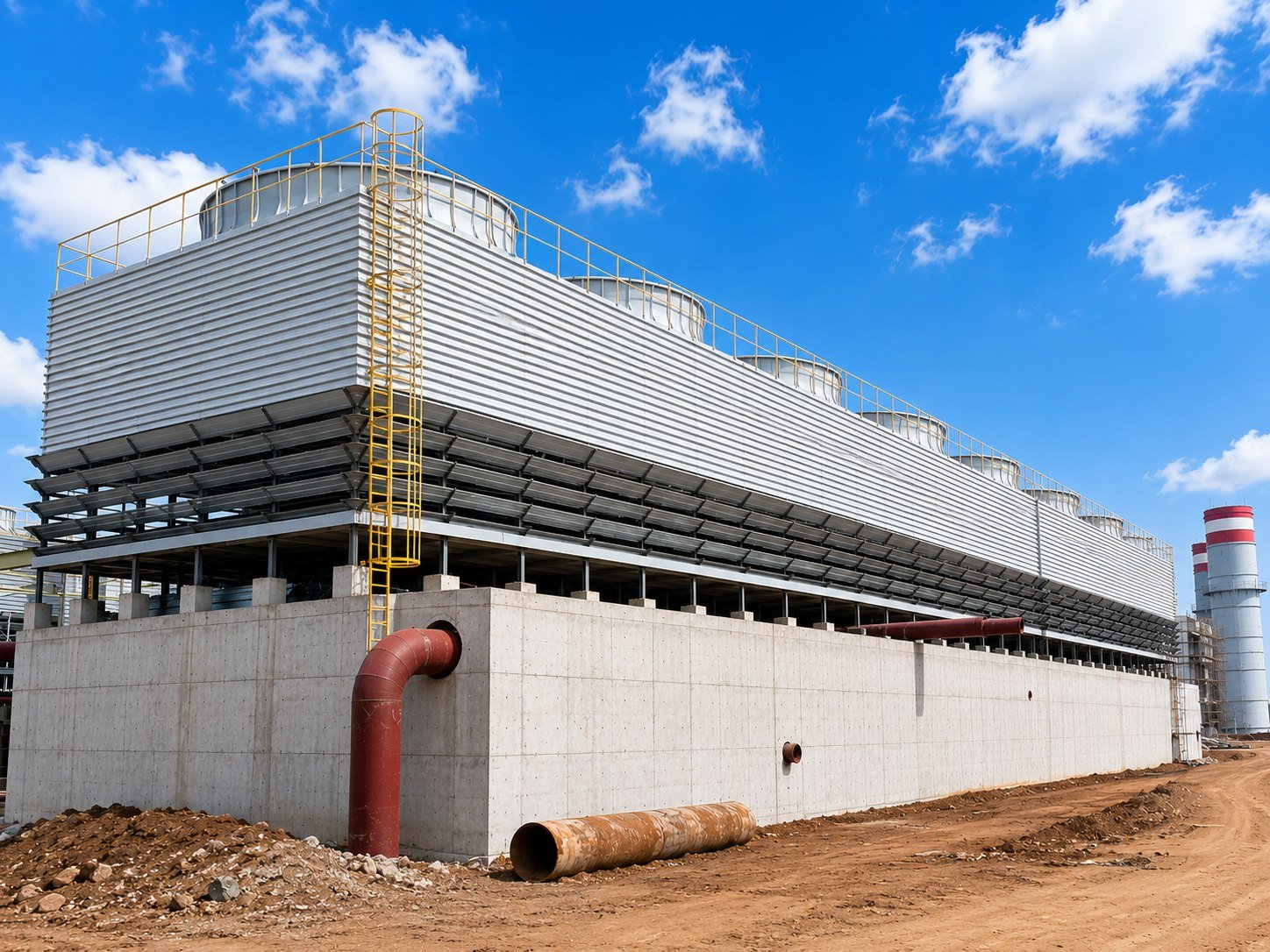
Industrial cooling towers must be selected from the actual heat rejection requirement, water quality, and site conditions.
Read article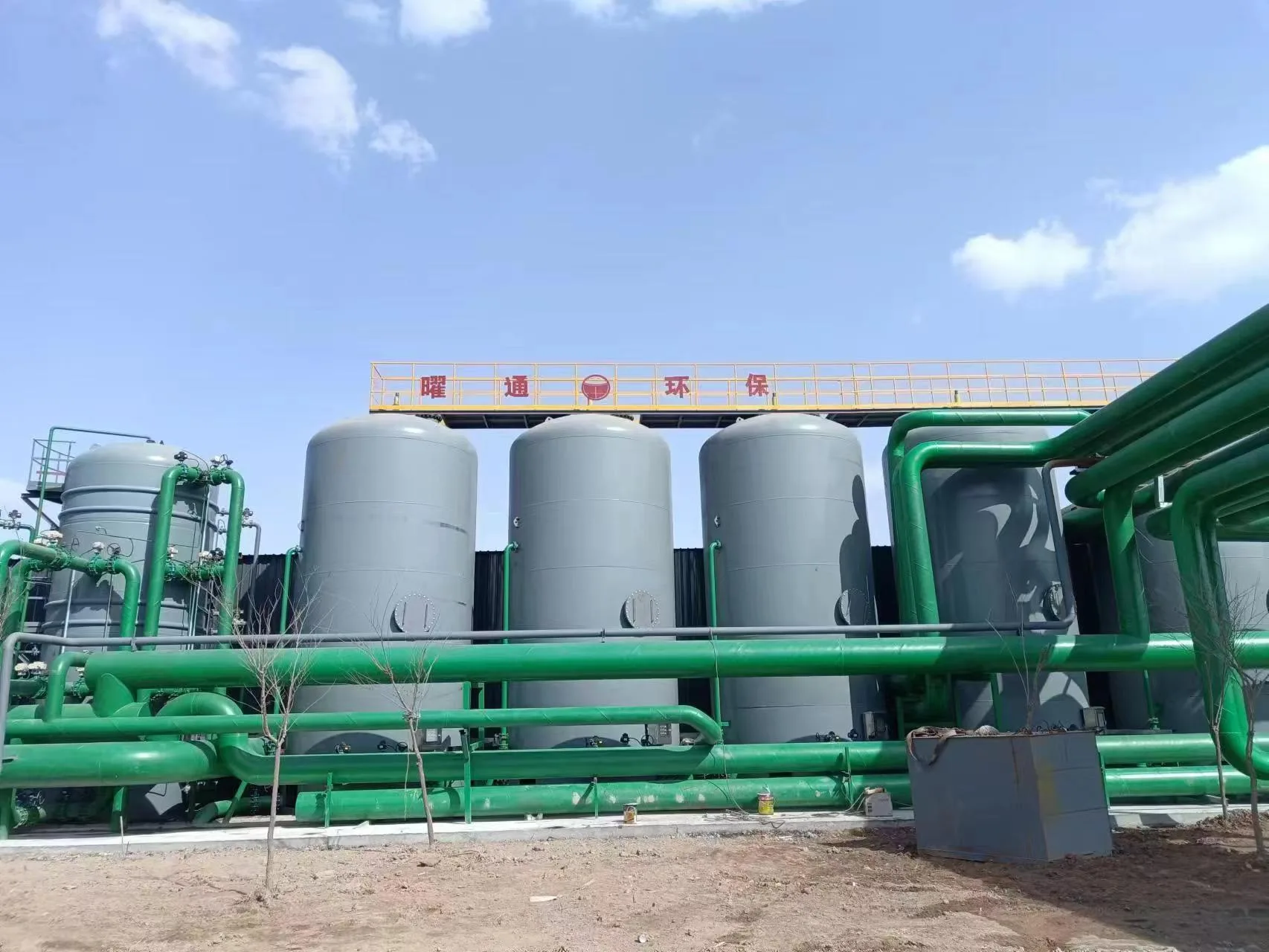
Steel plant projects in Southeast Asia often need equipment that can handle real site conditions, shipping requirements, and practical commissioning support.
Read article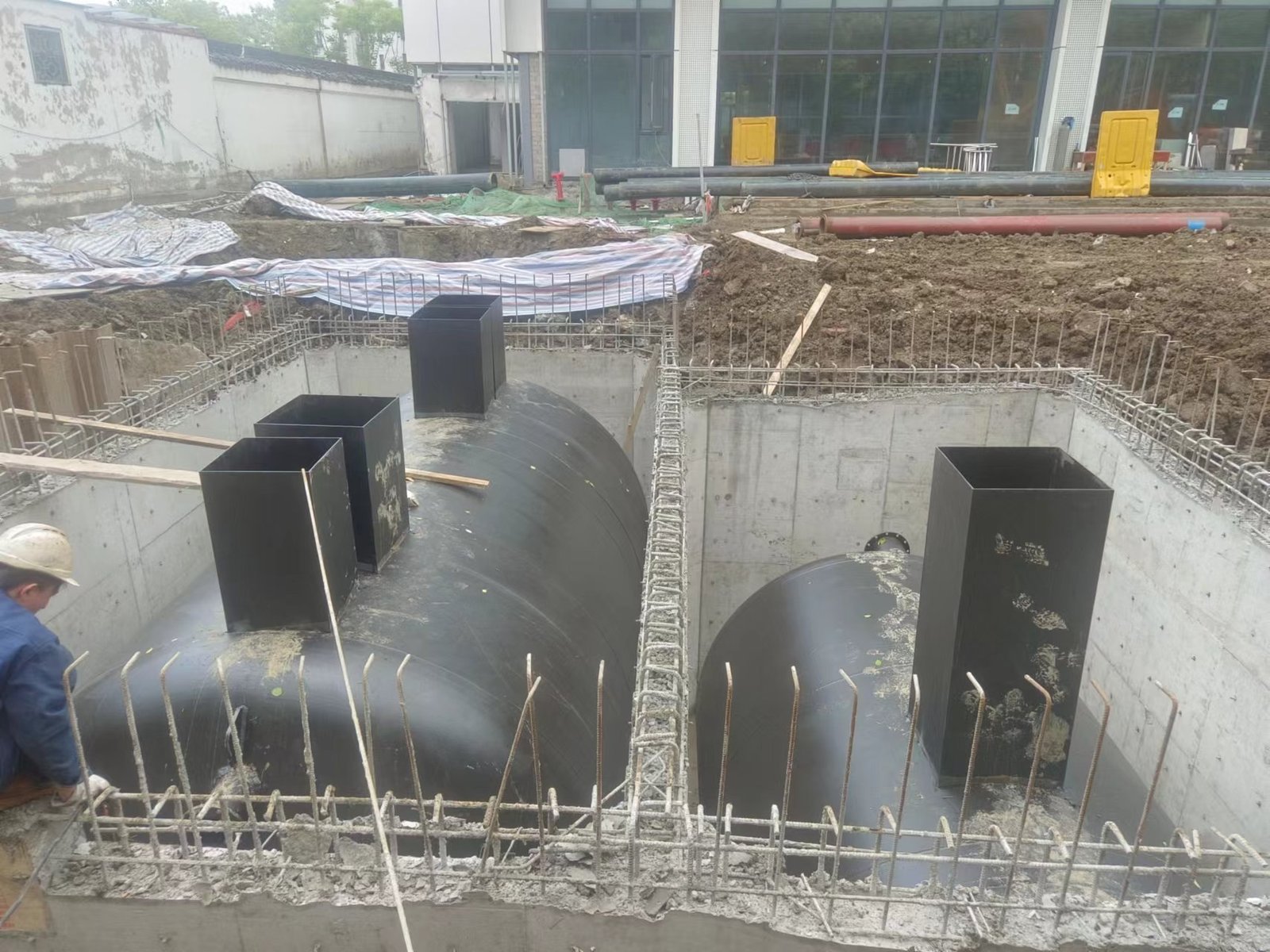
Nitrate removal is not a one-size-fits-all process.
Read article
DAF and sedimentation are both solids separation methods, but they are not the same process.
Read article
MVR systems can be highly effective, but the feed stream still needs the right pretreatment.
Read article
High-chloride wastewater often requires more than simple solids removal.
Read article
Zero liquid discharge is not one fixed process. The correct route depends on wastewater composition, salt load, concentrate handling, and project constraints.
Read article
RO concentrate treatment can be difficult because the stream is often more challenging than the feed.
Read article
Acid pickling wastewater often requires careful pretreatment because of acid content, dissolved metals, suspended solids, and changing process conditions.
Read article
Biological treatment is useful in many projects, but it is not the correct answer for every industrial wastewater stream.
Read article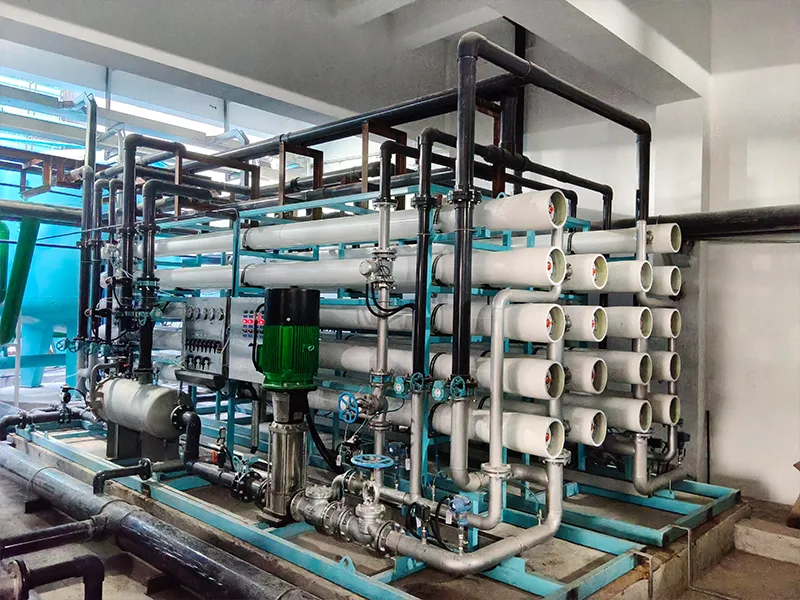
RO recovery rate should be selected by balancing water production against concentrate control, scaling risk, and membrane stability.
Read article
If both RO permeate and concentrate flow decrease, the cause is often related to feed pressure, pump performance, fouling, scaling, or operating changes in the system.
Read article
One-stage and two-stage RO systems are selected for different operating goals.
Read article
RO membrane quantity should be sized from the project basis, not from a generic rule of thumb.
Read article
HPRO, STRO, and DTRO are used in different high-pressure RO contexts.
Read article
UF pretreatment is necessary before RO when the raw water quality cannot be controlled well enough by simpler pretreatment methods or when the project needs more stable membrane pr
Read article
Learn how to size a multi media filter using design flow, raw water quality, target water quality, operating pressure, and project constraints.
Read article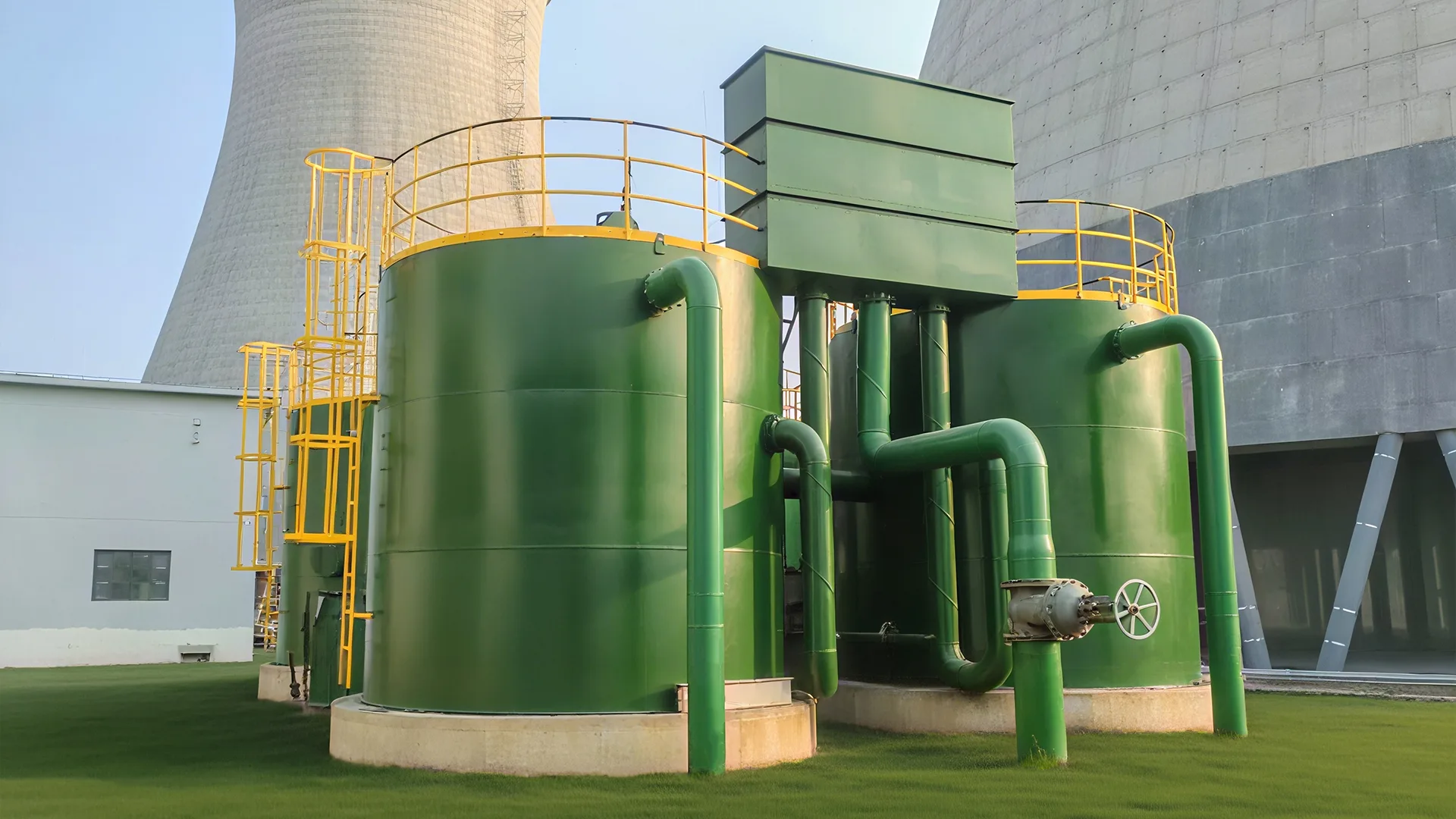
Learn how a gravity valveless filter works, where it is used, and what project conditions should be checked before selection.
Read article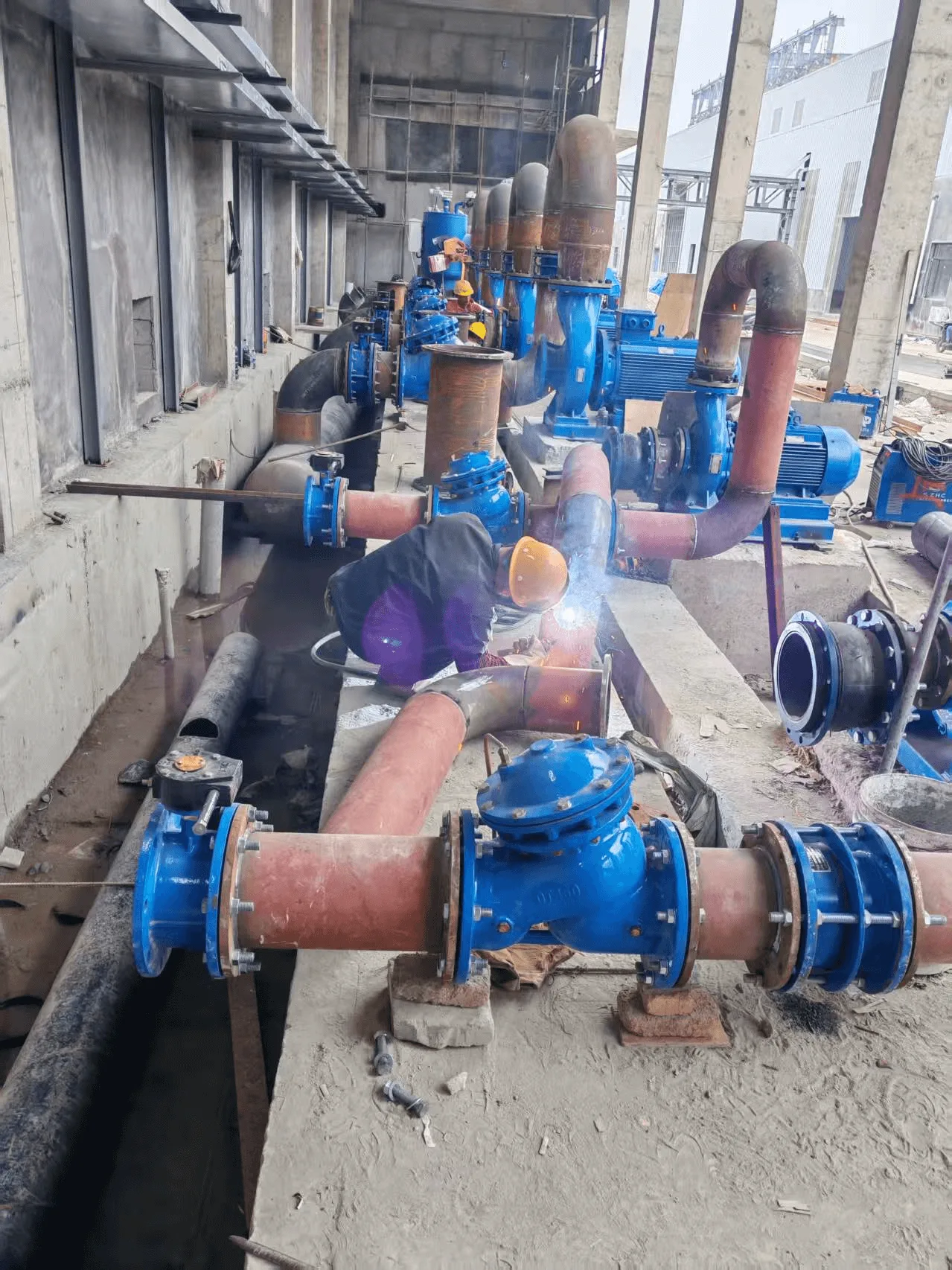
Learn how side stream filtration protects steel plant cooling water systems from suspended solids, scale particles, and operational instability.
Read article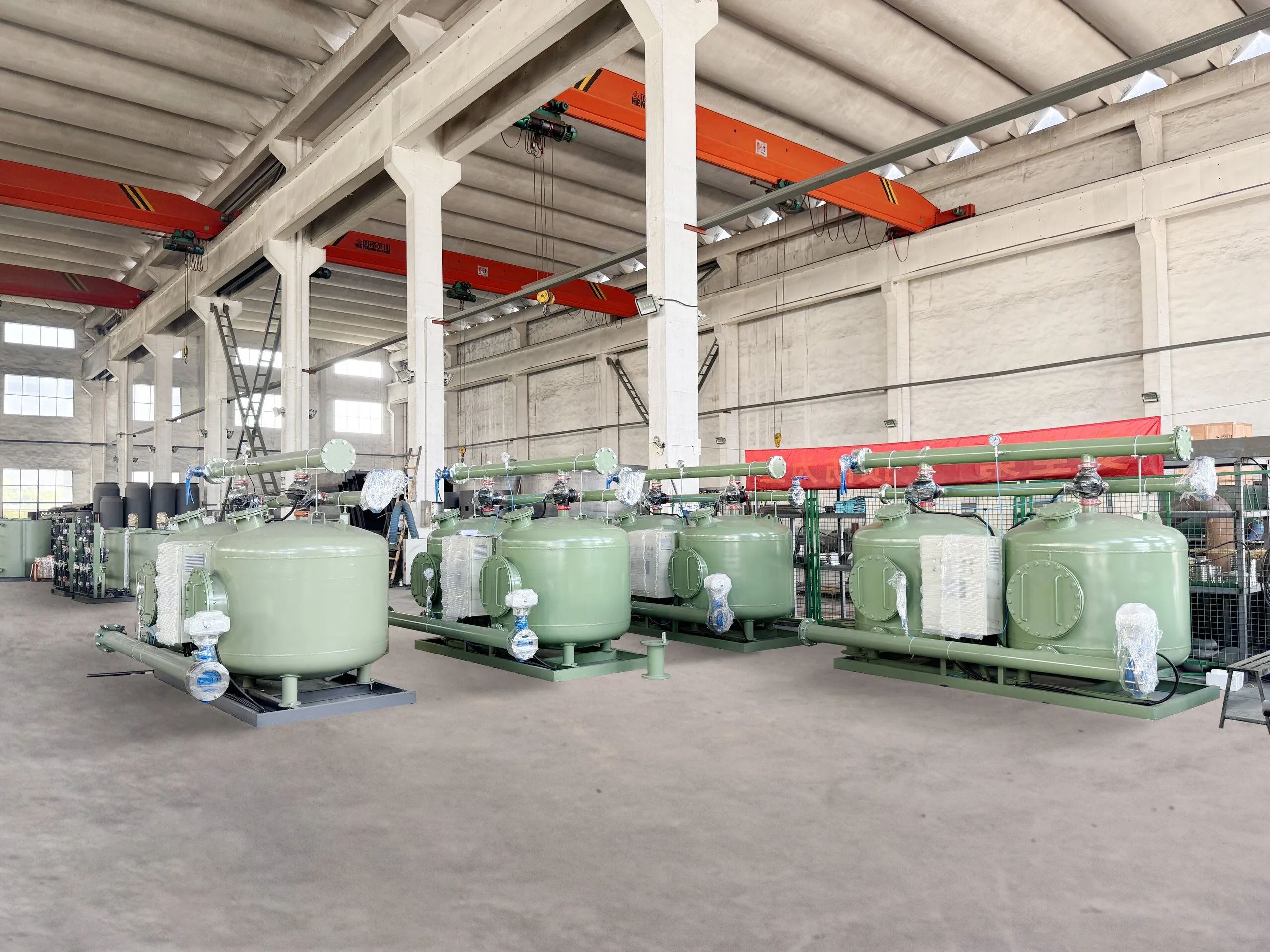
Compare multi media filters and self-cleaning filters for industrial water treatment based on solids load, operating mode, maintenance, and downstream needs.
Read article
Learn how to treat steel plant circulating water using filtration, clarification, cooling tower support, and side-stream treatment logic.
Read article
Learn how to remove oil and mill scale from steel rolling wastewater using separation, clarification, flotation, and filtration routes.
Read article
Learn what pretreatment is needed before reverse osmosis when the raw water comes from a river and turbidity or solids vary.
Read article
Learn how to design an industrial river water treatment plant using real influent data, target standards, and downstream process needs.
Read article
Compare hydrocyclones and clarifiers for high-turbidity river water treatment and understand when each process is appropriate.
Read article
Learn how to treat very high-turbidity river water using screening, clarification, filtration, and downstream protection based on real project conditions.
Read articleShare your flow rate, raw water source, target standard and site conditions. YAOTONG engineers will recommend a suitable equipment configuration.
Leave your email and project information. YAOTONG engineers can send a suitable catalog, datasheet or process proposal.