
Published 2026-07-04T12:59:27+08:00
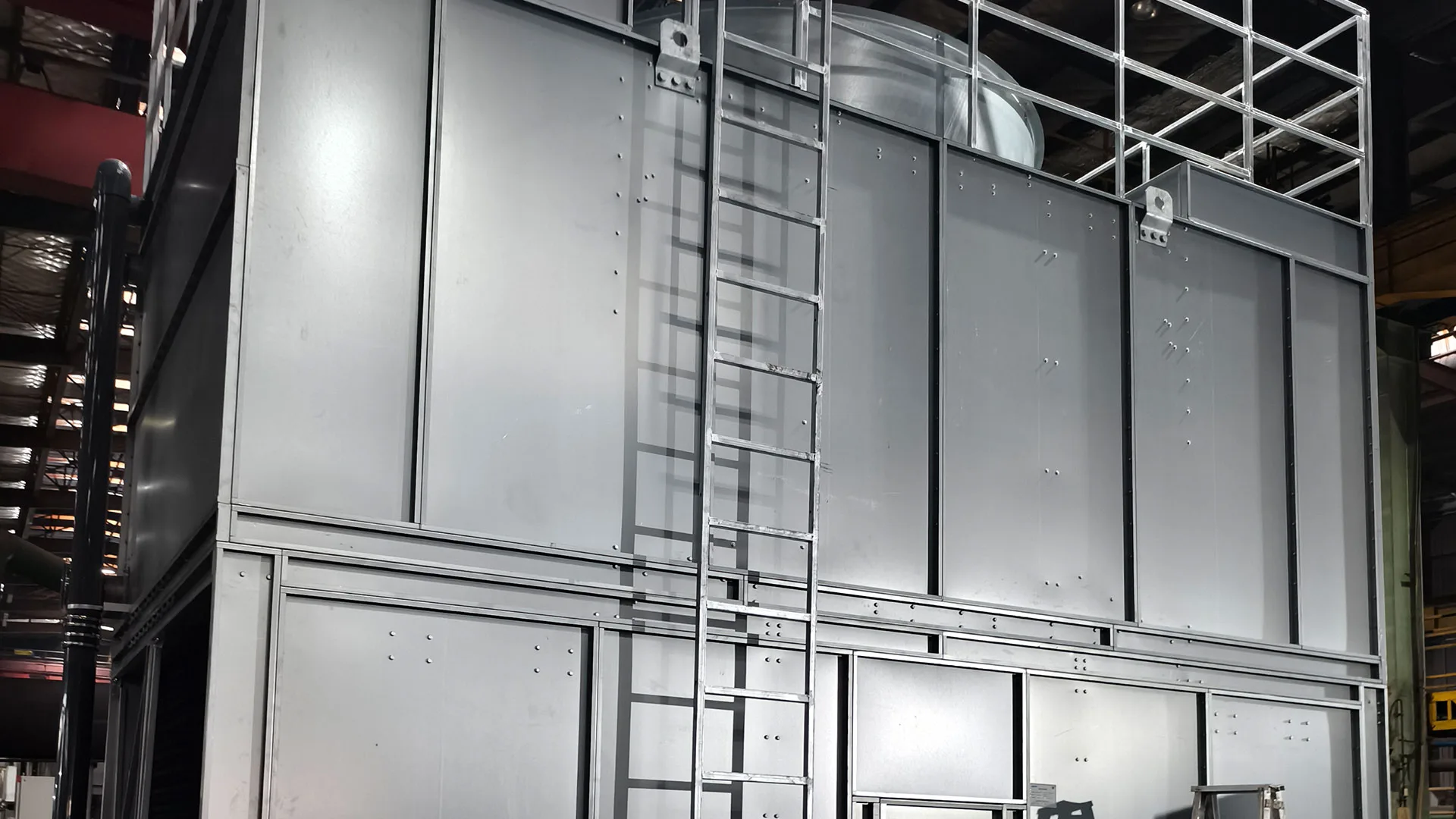
A closed circuit cooling tower keeps process fluid separated from air and spray water through a coil, helping reduce contamination and scaling risk. FRP cooling towers, cross flow cooling towers and counter flow cooling towers serve different project conditions, so selection should follow the heat load, water quality and site requirements.
Clear Answer First
Choose a closed circuit cooling tower when the process fluid needs indirect cooling and protection from contact with the spray circuit. Consider an FRP cooling tower or an open cooling tower arrangement when the circulating water system and maintenance approach support direct heat rejection.
Typical Design Inputs
- heat load and design flow
- entering and leaving water temperatures
- wet-bulb temperature and site conditions
- process-fluid quality and contamination sensitivity
- available footprint, noise requirements and maintenance access
Cross Flow and Counter Flow
Cross flow and counter flow cooling tower layouts have different air and water movement arrangements. The better choice depends on the thermal design, site arrangement, fan configuration, maintenance plan and total system cost.
Cooling Water Treatment
Cooling tower systems often need side-stream filtration and chemical dosing to control suspended solids, scaling and corrosion. A complete circulating water treatment plan should be considered together with the cooling tower.
CTA
Send your heat load, temperatures and site conditions. YAOTONG engineers will help compare closed circuit, FRP, cross flow and counter flow cooling tower options.