
Published 2026-07-04T12:59:28+08:00
A chemical dosing system must be designed around the chemical, process goal and operating conditions. Chemical dosing devices may support coagulation, pH adjustment, disinfection, scale inhibition and sludge conditioning in industrial and municipal water treatment.
Clear Answer First
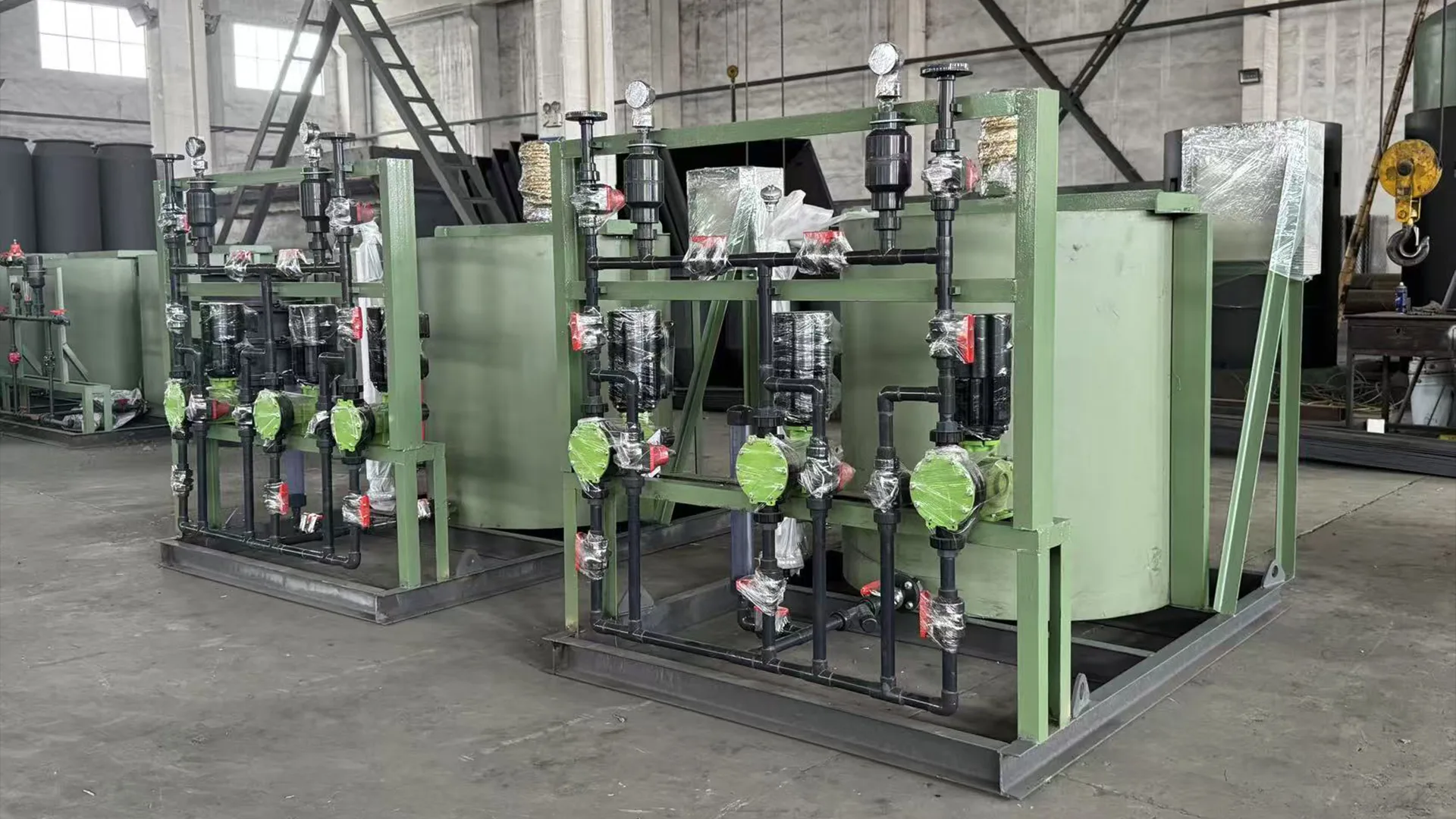
Start with the chemical type, concentration, required dosing range and point of injection. Then check storage, preparation, mixing, control, calibration and safety requirements. A three chamber dosing device or PAC/PAM dosing system may be considered when the project needs chemical preparation and controlled injection.
Typical Design Inputs
- chemical name, concentration and compatibility
- minimum, normal and maximum dosing rate
- storage volume and refill method
- injection point and mixing conditions
- control signal, instrumentation and maintenance access
Common Applications
Chemical dosing is used in drinking water treatment solutions, industrial wastewater management, clarification, dissolved air flotation, cooling water treatment, membrane pretreatment and disinfection systems. The dosing package should be integrated with the complete process design.
Common Mistakes
- selecting a pump without confirming the chemical and dosing range
- omitting preparation and mixing requirements
- treating control and calibration as optional
CTA
Send your chemical data, dosing range and process target. YAOTONG can help configure a suitable chemical dosing device.