
Published 2026-07-04T12:22:01+08:00
Steel rolling wastewater often contains oil, mill scale, and suspended solids. A stable process route is needed to separate these pollutants before reuse or discharge.
Clear Answer First
The treatment route commonly starts with separation and solids removal, then uses clarification or flotation, followed by filtration and sludge handling.
Common Pollutants
Typical contaminants may include:
- oil
- mill scale
- suspended solids
- flocculated particles
- sludge
Typical Process Route
Common route examples:
- screening -> coagulation -> flotation -> filtration
- screening -> clarification -> filtration -> sludge thickening
- pretreatment -> polishing filter
Why DAF May Be Useful
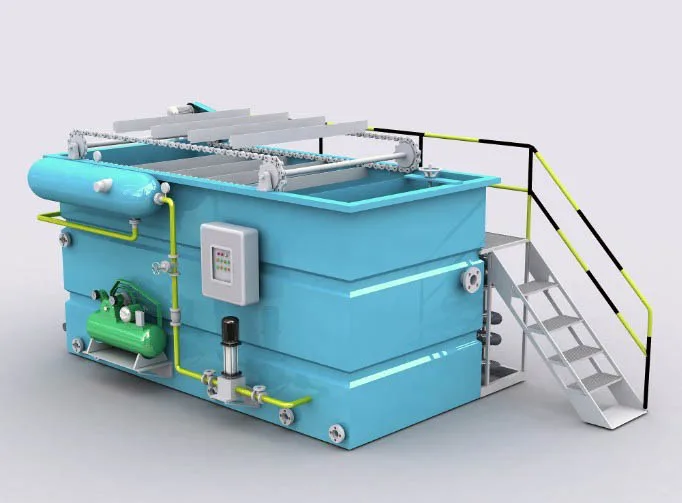
DAF can be useful when oil and fine suspended solids need to be lifted and removed from the water stream.
Why Clarification May Still Be Needed
If the solids load is significant or the water quality fluctuates, clarification may be needed either before or after flotation depending on the project basis.
Sludge Handling
Oil and mill scale removal creates sludge that must be collected and managed. The sludge handling route should be designed together with the main treatment process.
FAQ
#### Can oil and mill scale be removed in one step?
Sometimes no. Multiple treatment stages may be needed depending on the solids load and the oil content.
#### Is DAF always required?
No. The correct route depends on the wastewater characteristics and the target result.
#### What information is needed before quotation?
Wastewater report, flow rate, target water quality, and project location are recommended.
CTA
Send your wastewater report and project requirements. YAOTONG engineers will recommend a suitable treatment route.
CTA: Request Technical Proposal