
Published 2026-07-04T12:59:27+08:00
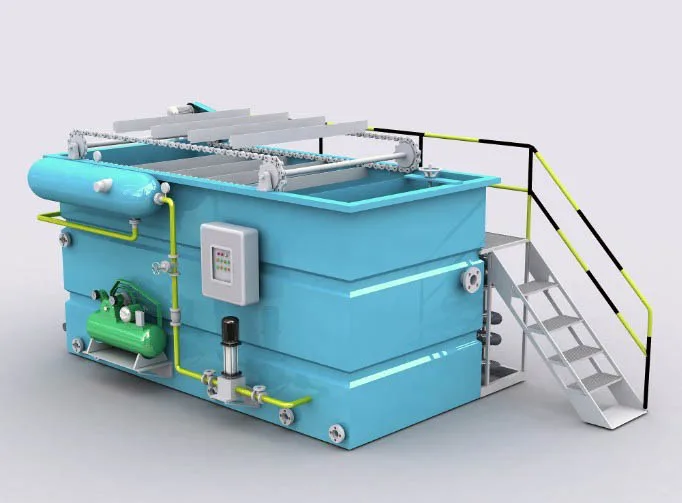
Pressure dissolved air flotation equipment, also called a DAF water treatment system, removes fine suspended solids, oil, grease and floc by releasing microbubbles that lift pollutants to the surface. It is commonly considered for industrial wastewater management and water reuse pretreatment.
Clear Answer First
A pressure dissolved air flotation system is a strong candidate when wastewater contains oil, grease, light solids or chemically formed floc that is difficult to settle. The selection should be based on water analysis, flow rate, pollutant load, chemical conditioning and the downstream treatment target.
Typical Design Inputs
- flow rate and peak flow
- oil, grease and suspended-solids load
- COD, BOD and other wastewater indicators
- coagulant and flocculant requirements
- sludge handling and downstream filtration or biological treatment
Common Applications
DAF systems can support food processing wastewater treatment, pharmaceutical wastewater treatment, oily wastewater treatment, industrial wastewater reuse and pretreatment before membrane systems. The final process route should match the actual wastewater characteristics.
Common Mistakes
- selecting a DAF unit without representative water analysis
- treating chemical dosing as an afterthought
- ignoring sludge collection and disposal requirements
CTA
Send your wastewater data and target standard. YAOTONG will help evaluate a suitable dissolved air flotation equipment package.