
Published 2026-07-04T12:59:26+08:00
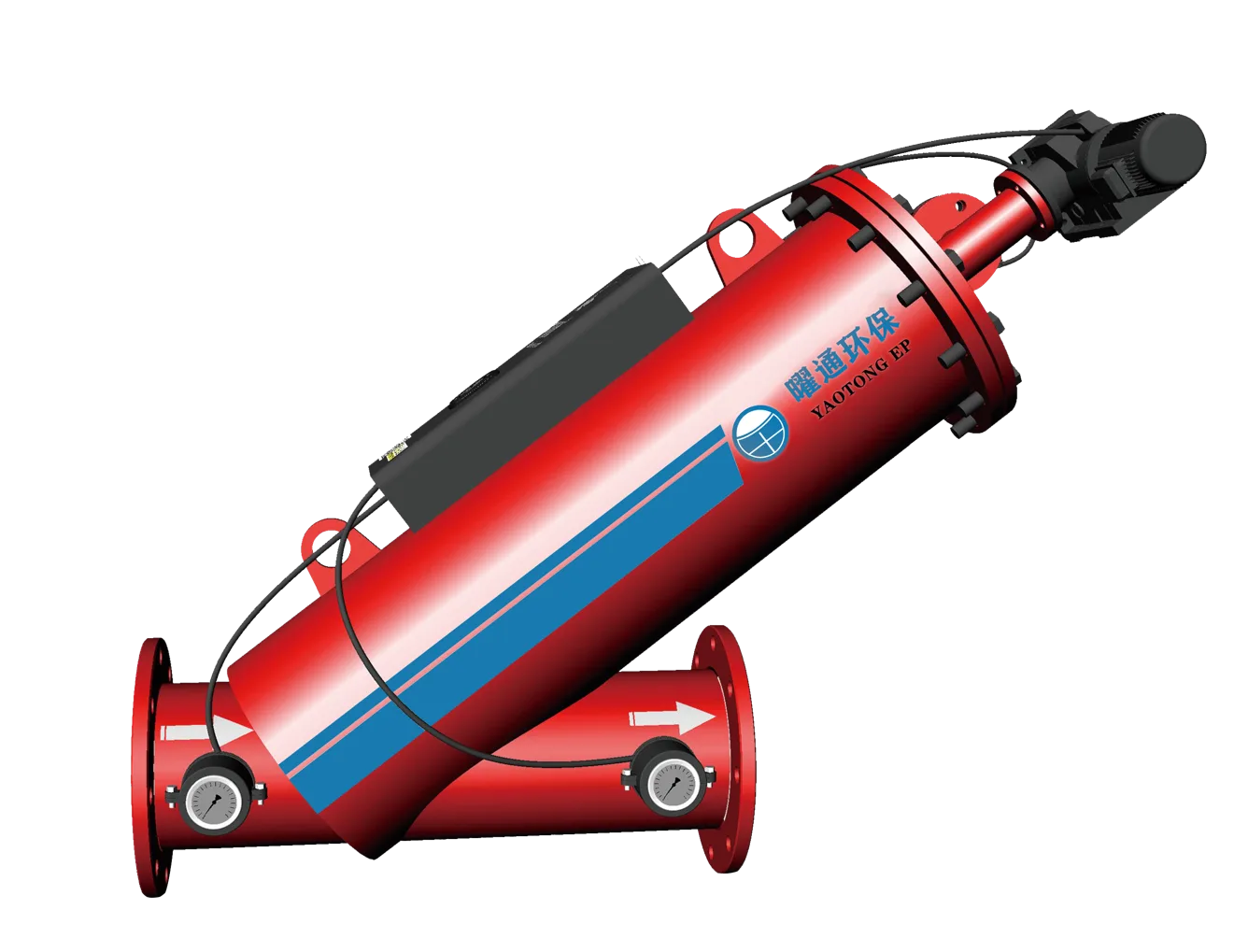
A self-cleaning water filter is selected when an industrial water treatment system needs automatic solids removal, continuous flow and lower manual maintenance. The right automatic water filter depends on water quality, flow rate, pressure, installation space and the downstream requirement.
Clear Answer First
A self-cleaning water filter works best when the project needs automatic filtration and automatic backwash for a moderate suspended-solids load. Automatic backwash filters and self-flushing water filters can protect cooling water, surface water, process water and RO pretreatment systems when the cleaning logic matches the solids behavior.
Why It Matters
Filtration and clarification equipment only works well when the solids behavior and operating mode are understood first. The wrong equipment choice can lead to cleaning trouble, pressure loss, poor stability or unnecessary maintenance.
Typical Design Inputs
- solids type and concentration
- flow rate and pressure or head available
- filtration accuracy and downstream equipment protection
- automatic cleaning or backwash expectations
- installation space and maintenance access
Common Mistakes
- choosing by the product name instead of solids behavior and operating mode
- ignoring pressure loss, footprint or cleaning access
- expecting one compact filter to solve a heavy solids load
FAQ
Q: Which automatic water filter is better?
The better option depends on water quality, flow rate, target filtration accuracy and operating constraints.
Q: Can an automatic backwash filter be used with other equipment?
Yes. It can serve as part of a treatment train with clarification, sand media filtration, RO, UF or cooling water treatment when the design basis is suitable.
Q: What information is needed before quotation?
Flow rate, water quality report, suspended-solids information, target standard and project location are recommended.
CTA
Send your water data. YAOTONG engineers will help select a suitable self-cleaning water filter for your project.