
Published 2026-07-04T12:59:27+08:00
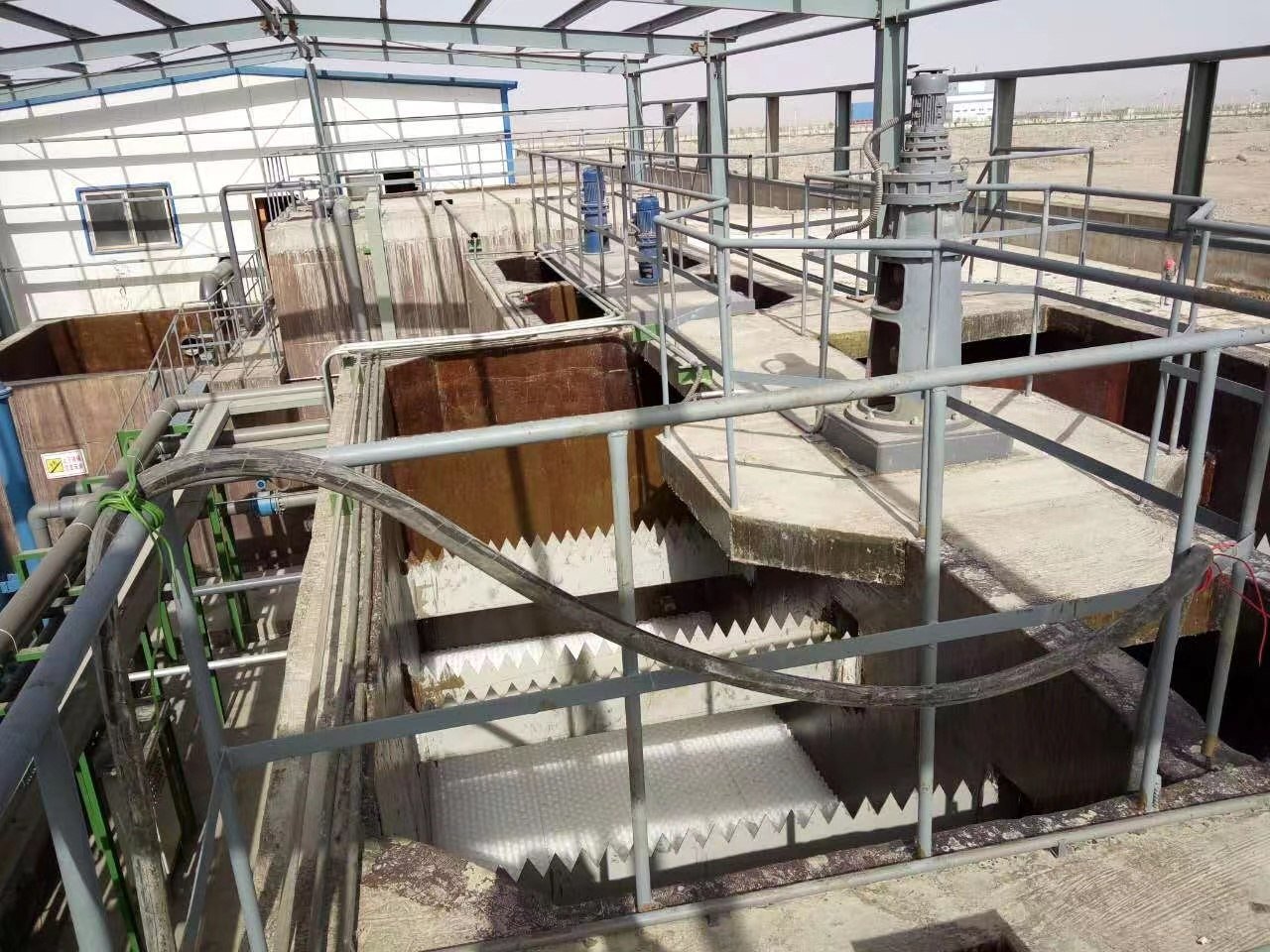
An efficient sludge thickener reduces sludge volume before dewatering, disposal or further treatment. Sizing should consider sludge type, solids concentration, flow, solids loading, settling behavior and the requirements of the downstream sludge handling system.
Clear Answer First
A sludge thickener should be selected from measured sludge characteristics and the target underflow concentration. Clarification, dissolved air flotation, chemical dosing and biological processes can produce different sludge streams, so the thickener design basis must match the source.
Typical Design Inputs
- sludge flow and peak flow
- total solids and volatile solids
- feed concentration and target underflow concentration
- settling behavior and polymer or chemical conditioning
- available footprint and sludge withdrawal method
Where It Fits
Sludge thickening can support industrial wastewater treatment, municipal sewage treatment, DAF systems, clarification equipment and water reuse projects. It is one part of the overall solids management plan.
Common Mistakes
- sizing from flow only without solids loading
- ignoring peak conditions and sludge variability
- leaving no plan for scum, overflow or downstream dewatering
CTA
Send your sludge analysis and flow data. YAOTONG engineers will help review a suitable sludge thickening route.