
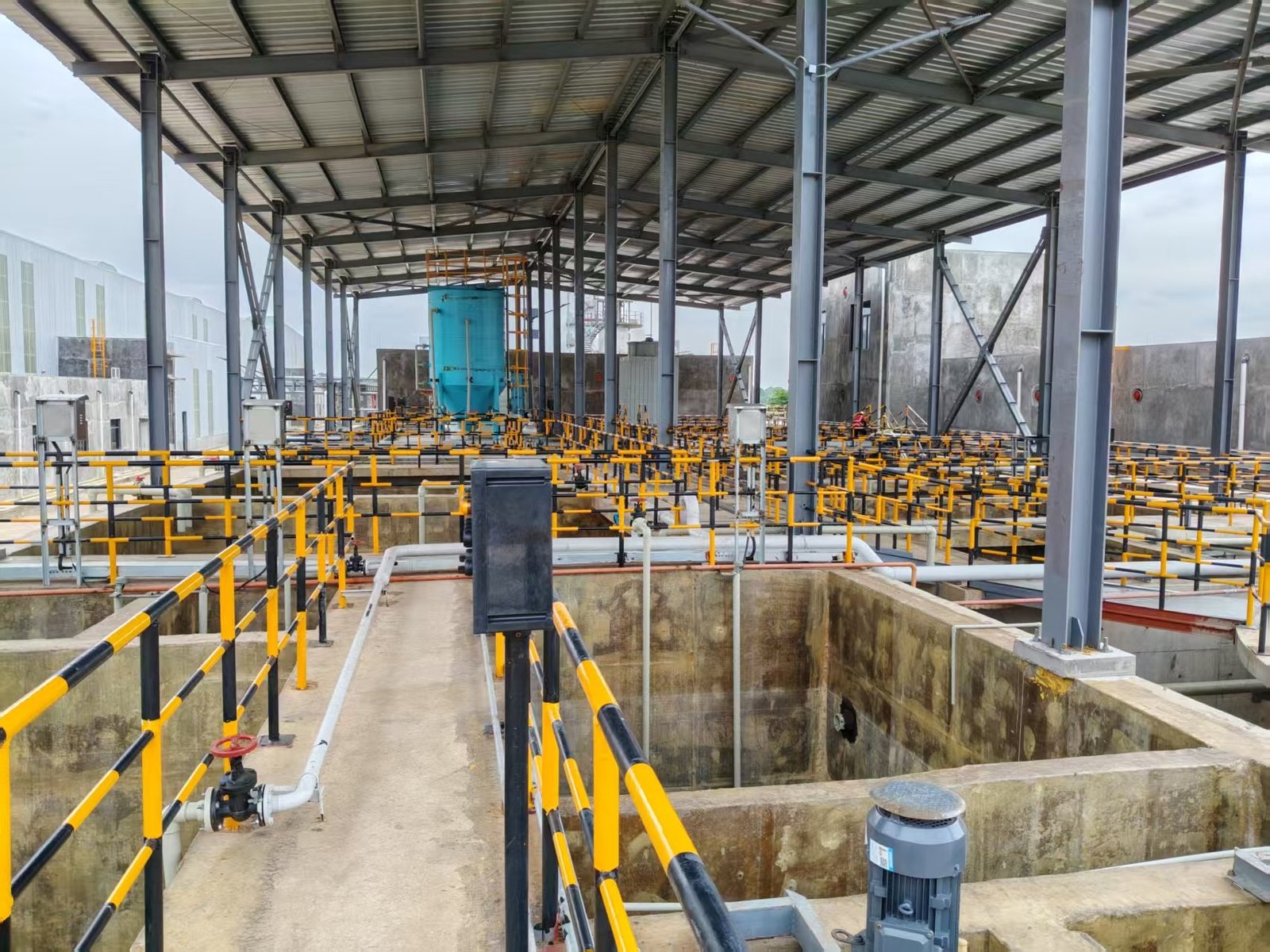
Published 2026-07-04T12:59:25+08:00
Acid pickling wastewater often requires careful pretreatment because of acid content, dissolved metals, suspended solids, and changing process conditions.
It is usually treated through neutralization, solids removal, clarification or flotation, and downstream treatment based on the target standard.
Clear Answer First
Acid pickling wastewater usually needs neutralization and metal removal before any downstream polishing route can work reliably. Because the chemistry changes fast, the treatment train should be tied to the actual metals, acidity, and discharge or reuse target.
Why It Matters
Wastewater routes need to solve the pollutant problem and the sludge or residue problem at the same time.
If the route is chosen without a target standard or discharge/reuse basis, the system often becomes overbuilt in one place and weak in another.
Typical Design Inputs
- pollutant profile, pH, and salt load
- flow rate and peak variation
- reuse target or discharge standard
- oil, grease, solids, metals, or organics
- sludge handling and chemical consumption
Common Mistakes
- Assuming one treatment step can solve every pollutant
- Ignoring sludge, residue, or chemical management
- Selecting the route without a real target standard
FAQ
Q: Can this be designed without water data?
It is not recommended. The design should follow actual project data.
Q: What should be checked first?
Start with the process basis, water quality, and the target result.
Q: What information is needed before quotation?
Flow rate, water quality report, target standard, and site conditions are recommended.
CTA
Share your wastewater data. YAOTONG engineers will help recommend a suitable treatment route.