
Published 2026-07-04T12:22:01+08:00
Steel plant circulating water often carries suspended solids, scale particles, and changing loads.
The treatment route should be selected according to the real process and the water quality at the plant.
Clear Answer First
Steel plant circulating water is usually treated with solids removal, side-stream filtration, and supporting cooling water or dosing systems depending on the application.
Common Water Problems
Typical issues in steel plant circulating water include:
- suspended solids
- scale particles
- oil in some process streams
- high flow rate
- reuse demand
Typical Treatment Logic
The treatment route may include:
- screening
- clarification
- filtration
- cooling tower support
- chemical dosing
- sludge handling
Key Selection Questions
#### What is the water being used for?
Rolling water, cooling water, or general circulating water may need different treatment logic.
#### How much solids load is present?
Higher solids load may require stronger clarification before filtration.
#### Is the system side-stream or full-flow?
That decision strongly affects equipment sizing and operation.
Typical Equipment
- High Density Clarification Tank
- Self Cleaning Water Filter
- Fiber Ball Filter
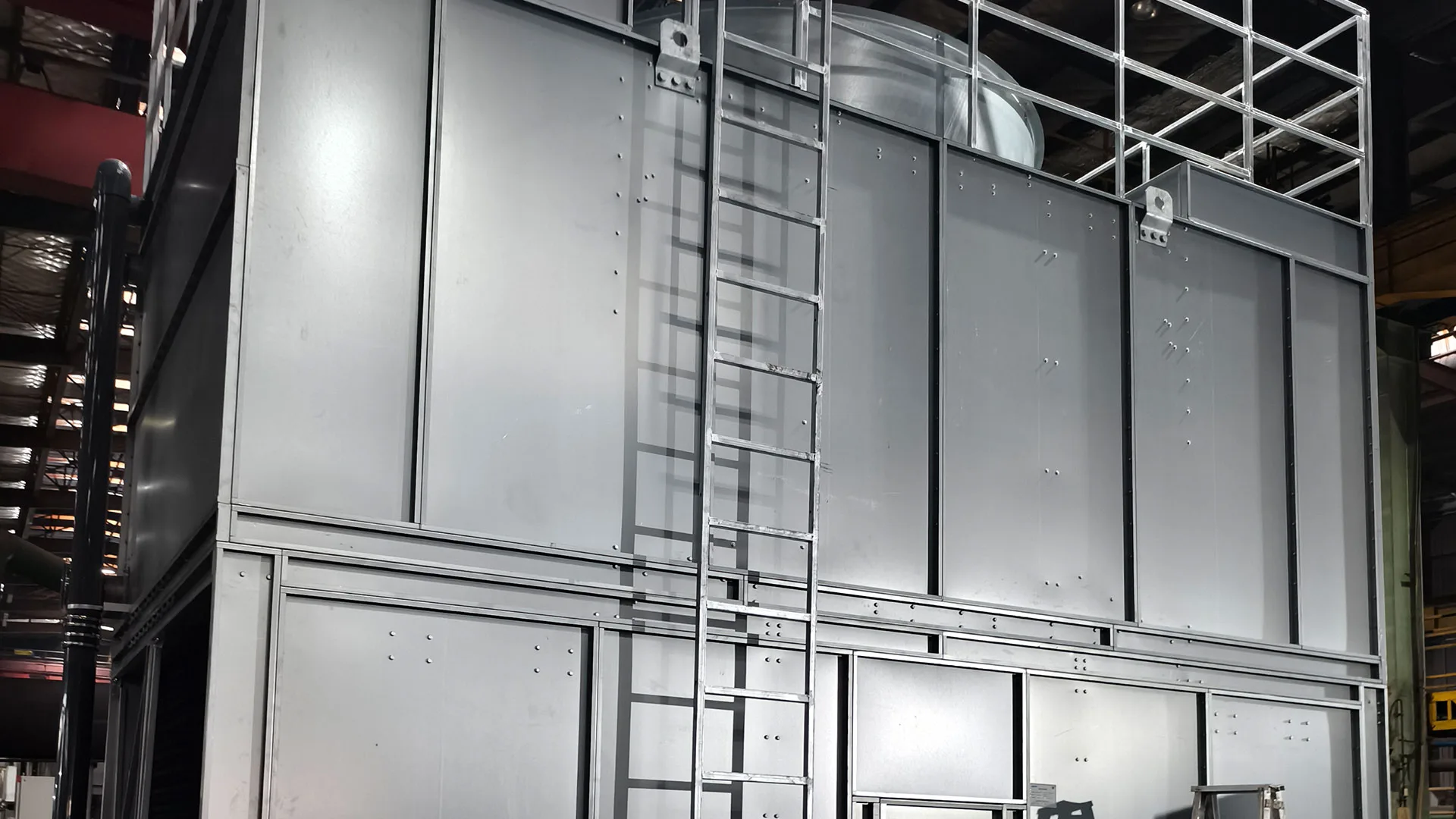
- Closed Circuit Cooling Tower
- Dosing system
FAQ
#### Can steel plant circulating water be treated with filtration only?
Sometimes, but not when solids load or process risk is too high. Clarification or other pretreatment may be needed first.
#### Is cooling tower support part of circulating water treatment?
In many plants, yes. Cooling and water treatment are closely linked.
#### What information is needed before quotation?
Flow rate, water quality report, process type, target standard, and site conditions are recommended.
CTA
Share your plant water report and process details. YAOTONG engineers will recommend a suitable treatment route.
CTA: Request Technical Proposal