
Published 2026-07-04T12:59:27+08:00
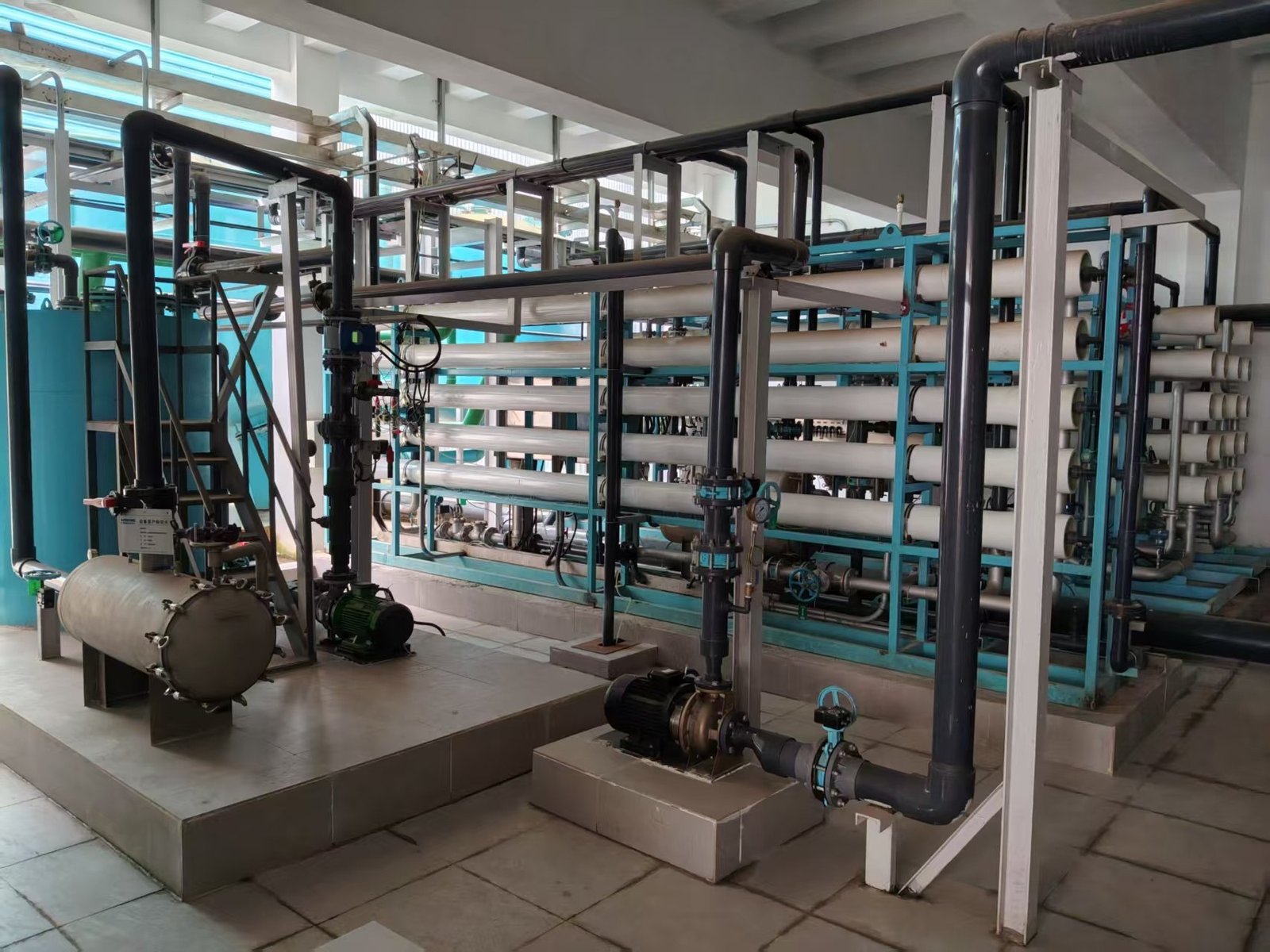
Industrial reverse osmosis and ultrafiltration are not interchangeable pretreatment choices. UF systems remove suspended solids, colloids and some microorganisms, while reverse osmosis removes dissolved salts after suitable pretreatment. EDI equipment can be added when the process needs further deionized water polishing.
Clear Answer First
Use ultrafiltration when the main challenge is fine suspended solids, colloids or membrane protection. Use an industrial reverse osmosis system when dissolved salts and conductivity must be reduced. A practical RO water treatment system may combine automatic filtration, clarification, UF, RO and EDI according to raw water quality and the final water standard.
Typical Design Inputs
- raw water source and analysis
- TDS, conductivity, hardness and silica
- turbidity, SDI and suspended solids
- required recovery and final water quality
- operating pressure, cleaning plan and available footprint
Demineralization Routes
Demineralization equipment and systems may include RO, UF, EDI and other water softening or polishing steps. The process should be configured around the actual water quality and required use, such as boiler feed water or industrial process water.
CTA
Send your raw water report and target conductivity. YAOTONG engineers will help compare UF, industrial RO, EDI and demineralization system routes.