
Published 2026-07-04T12:59:27+08:00
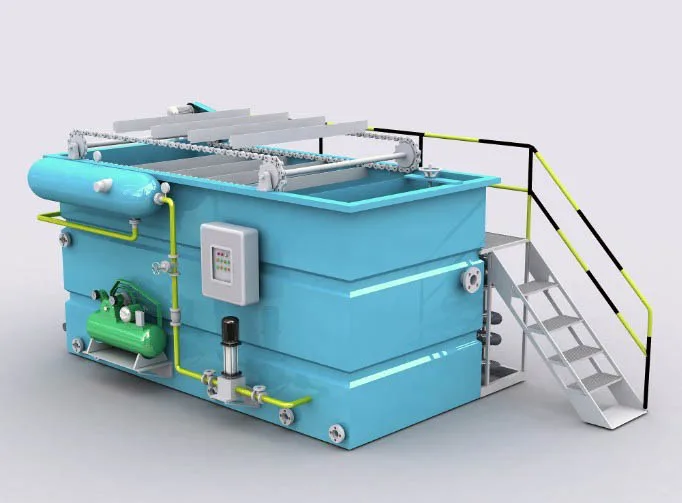
Industrial wastewater reuse systems are designed around the pollutant profile, water balance and target reuse standard. A complete industrial wastewater management route may combine screening, chemical dosing, clarification, pressure dissolved air flotation, filtration, biological treatment, membranes or concentration steps.
Clear Answer First
Start with water analysis and the intended reuse point. Oil and grease, suspended solids, COD, salinity and biological load determine whether the system needs DAF, clarification, filtration, RO water treatment, biological treatment or a combined process.
Typical Treatment Stages
- screening and coarse solids removal
- chemical dosing and coagulation
- dissolved air flotation or clarification
- filtration and sludge thickening
- biological treatment where suitable
- UF, RO or other membrane separation for reuse
Industry Applications
The process route may be adapted for steel plant water treatment, food processing wastewater treatment, pharmaceutical wastewater treatment, power plant water treatment and other industrial applications. The final arrangement should follow the actual wastewater and operating conditions.
Common Mistakes
- designing around a single water-quality sample
- selecting membrane equipment before upstream solids control
- omitting concentrate, sludge and cleaning management
CTA
Share your water balance, analysis and reuse target. YAOTONG can help develop an industrial wastewater reuse system concept.