
Published 2026-07-04T12:59:26+08:00
Surface water purification equipment must handle changing turbidity, suspended solids, algae and organic matter. Seasonal river water treatment is more stable when the process route is based on representative raw water data across the expected operating range.
Clear Answer First
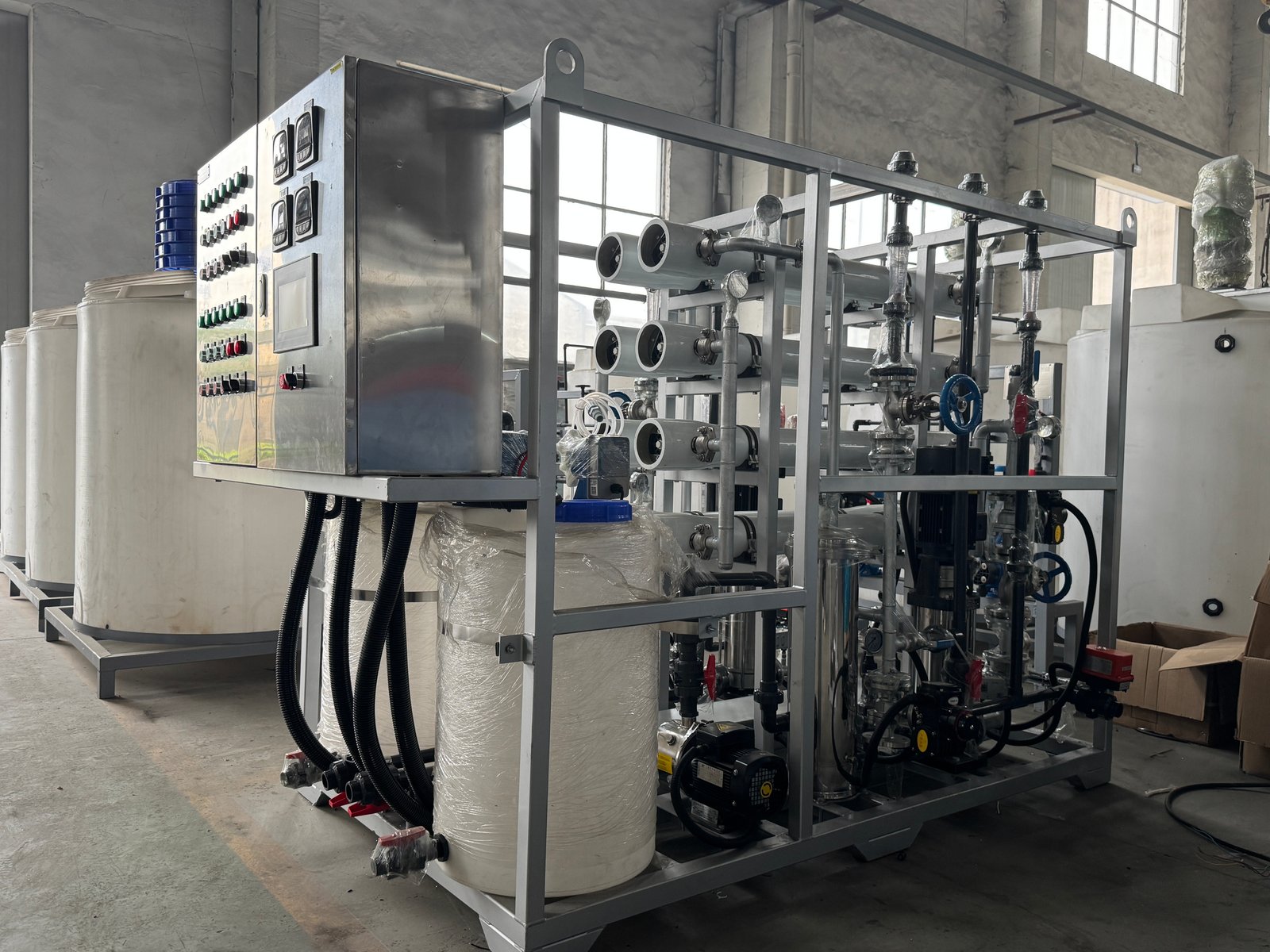
A surface water treatment system may combine screening, chemical dosing, high efficiency clarification, integrated water purification, automatic filtration and disinfection. The final route depends on turbidity, temperature, algae, color, flow and the target drinking water or industrial water quality.
Typical Process Choices
- coarse screening and raw water intake protection
- coagulation and flocculation
- high efficiency or high density clarification
- multi media filtration or automatic backwash filtration
- UV disinfection where appropriate
- RO, UF or other polishing for the final use
Common Mistakes
- designing from average turbidity only
- overlooking seasonal algae and organic matter
- selecting membranes before controlling suspended solids
CTA
Send seasonal water-quality data and the target water standard. YAOTONG engineers will help compare a surface water purification route.