
Published 2026-07-04T12:59:24+08:00
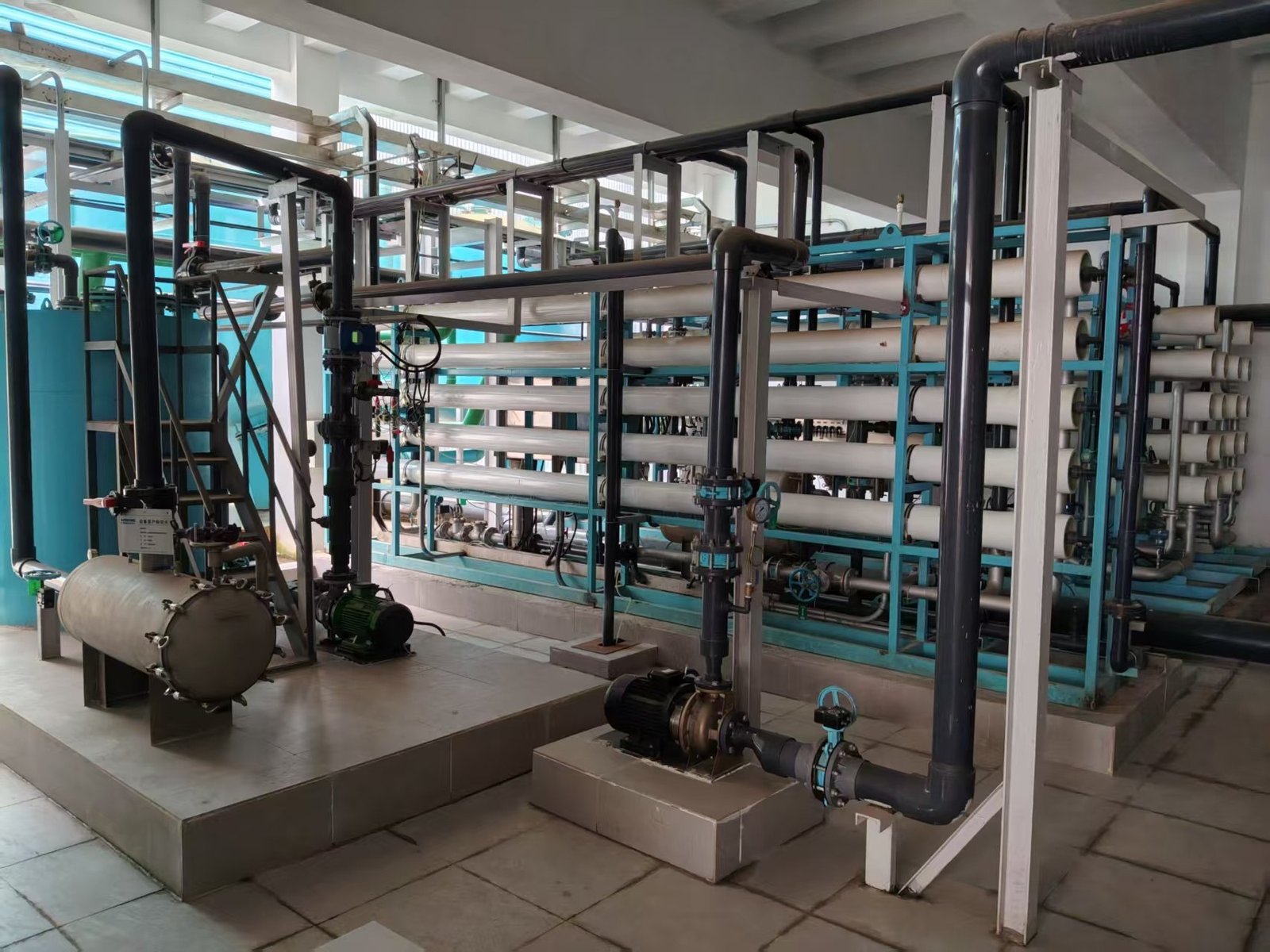
UF pretreatment is necessary before RO when the raw water quality cannot be controlled well enough by simpler pretreatment methods or when the project needs more stable membrane protection.
It is a strong candidate when feedwater turbidity changes often, suspended solids are difficult to control, or the downstream system needs stronger protection. It may not be necessary when a simpler route can meet the target.
Clear Answer First
UF pretreatment is needed when simpler pretreatment cannot keep suspended solids and turbidity stable enough for the RO train. It becomes more valuable when the feedwater swings often, the membrane train is sensitive, or the project needs stronger and more consistent upstream protection.
Why It Matters
Membrane and concentration routes are sensitive to feedwater swings, so the upstream stability matters as much as the final product quality.
A process that looks acceptable on paper can become hard to run if pretreatment, recovery, or concentrate handling were not set from the real data.
Typical Design Inputs
- feedwater report and seasonal variation
- target permeate quality or recovery target
- scaling risk, temperature, and operating pressure
- pretreatment route and cleaning strategy
- concentrate handling or residue handling plan
Common Mistakes
- Using average water data instead of the worst operating period
- Picking the membrane route before pretreatment is confirmed
- Ignoring concentrate handling or cleaning frequency
FAQ
Q: What is the first thing to confirm?
The process basis, water quality, and project target should be confirmed first.
Q: Can the route be customized?
Yes. The route should be adjusted to the actual project basis rather than copied from a catalog.
Q: What information is needed before quotation?
Flow rate, water quality report, target standard, and project location are recommended.
CTA
Send your raw water data and project requirements. YAOTONG engineers will recommend a suitable pretreatment route.